
Starting a fitness routine sounds simple until you actually try it. Between expensive gym memberships, bulky equipment, and workout programs that eat up an hour of your day, most people quit before they even build momentum. That is exactly why the 28 day wall pilates challenge has taken social media by storm and, more importantly, why it has stuck around long after the initial hype faded.
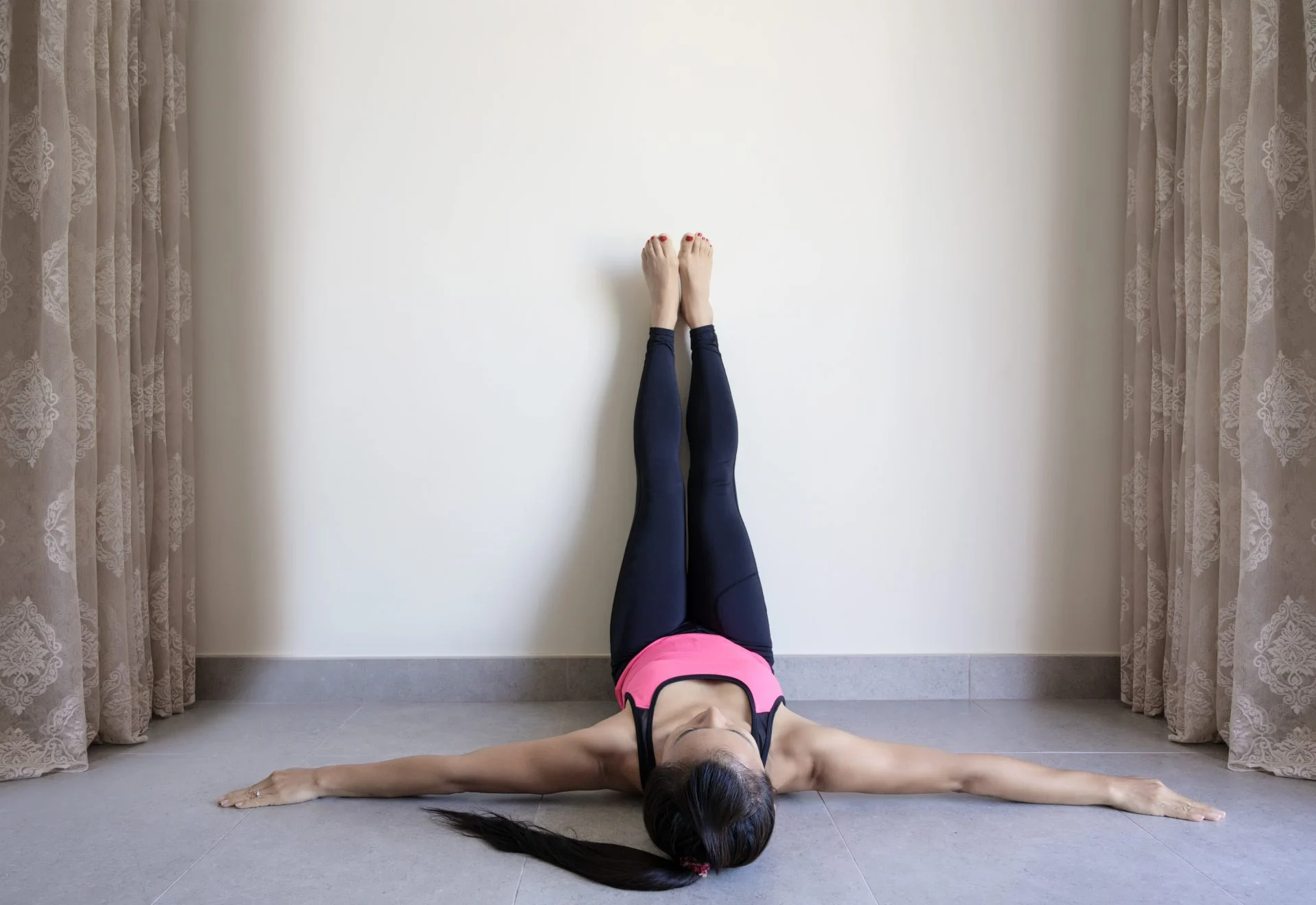
Wall pilates is a modified version of traditional Pilates that swaps out reformer machines and studio equipment for the one thing every home already has — a wall. The wall acts as both a support system and a resistance tool, helping you engage your core, strengthen your muscles, and correct your alignment without stepping foot outside your front door. Sessions typically run between 10 and 25 minutes, and the progressive nature of a 28-day program means you start easy and build from there.
The timing of this challenge is not random either. Research consistently shows that it takes somewhere between 21 and 28 days to form a lasting habit, so by the time you finish the program, daily movement starts to feel less like a chore and more like a natural part of your morning. In this guide, you will find everything you need to know — what the challenge involves, who it works best for, what kind of results you can realistically expect, a full week-by-week breakdown, and where to find the best free resources including printable charts, downloadable PDFs, and YouTube follow-along series.
What Is Wall Pilates and Why Has It Gone Viral?
At its core, wall pilates is exactly what the name suggests. You take traditional Pilates exercises — glute bridges, leg circles, planks, squats — and perform them with a wall providing support, feedback, or added resistance. Think of the wall as a budget-friendly reformer machine. It holds you in place so your muscles can do the real work without you having to fight for balance at the same time.
Joseph Pilates created his original method back in the 1920s with a clear philosophy: full-body health through controlled, intentional movement. His approach prioritized core strength, spinal alignment, and breath control. Those principles haven’t changed in over a century, but the delivery method has. Wall pilates takes those same fundamentals and makes them accessible to people who have never set foot in a Pilates studio.
The viral explosion started on TikTok and YouTube, where certified trainers like Jenna Collins and Kayla Brugger began posting structured challenge programs. Collins’ series alone has pulled in over 1.6 million views on the first video. But what separates wall pilates from dozens of other fitness trends that flare up and disappear is the science behind it. Published studies have shown that consistent Pilates practice improves flexibility, reduces symptoms of anxiety and depression, and builds measurable core strength. The wall variation inherits all of those benefits while lowering the barrier to entry for anyone working out at home.
Who Should Try the 28 Day Wall Pilates Challenge?
Beginners Looking for a Gentle Starting Point
If you have never exercised regularly or traditional workouts feel intimidating, this is one of the friendliest entry points available. The wall gives your body constant feedback about positioning and alignment. You do not have to guess whether your back is straight or your hips are level — the wall tells you. That built-in safety net makes every exercise more approachable and reduces the risk of straining something because your form was off.
Busy Professionals and Parents
Most daily sessions in a 28 day wall pilates program run somewhere between 10 and 20 minutes. There is no commute to a gym, no class schedule to work around, and no childcare to arrange. You can knock out a full workout in your living room before the coffee finishes brewing. That kind of convenience is not a luxury — for a lot of people, it is the difference between working out consistently and not working out at all.
Older Adults and Those Managing Injuries
Wall pilates is low-impact by design. It does not pound your knees, compress your spine, or put sudden stress on your joints. If you are dealing with chronic knee pain, lower back tension, or limited mobility from a previous injury, you can still participate safely. The intensity is adjustable in the simplest way possible — standing farther from the wall makes exercises easier, while stepping closer increases the challenge. No need to swap out equipment or learn entirely new movements.
Anyone Stuck in a Fitness Rut
Sometimes the hardest part of fitness is not the workout itself but the lack of structure. You know you should move your body, but you open YouTube, scroll for twenty minutes, and end up watching cooking videos instead. A structured 28-day program solves that problem by removing decision fatigue. Every day has a plan. You just show up, press play, and follow along.
Benefits You Can Expect from 28 Day Wall Pilates
Stronger Core Without Traditional Crunches
One of the biggest misconceptions in fitness is that core strength comes from doing hundreds of crunches. It does not. Your deep core muscles — specifically the transverse abdominis, which wraps around your midsection like a natural corset — respond far better to sustained engagement and controlled movement. Wall-based exercises like wall bridges, dead bugs, and wall planks light up these deep stabilizers without the neck strain that comes with endless floor crunches. A strong core does not just look good. It makes everything else easier, from carrying groceries to sitting through a long workday without back pain.
Noticeable Posture Improvements
Hours spent hunched over desks and staring down at phones create muscular imbalances that pull your shoulders forward and round your upper back. Wall roll-downs and wall angels specifically target these imbalances by training your spine to stack properly and your shoulder blades to sit where they belong. Many people who complete a 28 day wall pilates challenge report that better posture is actually the first visible change they notice — often within the first two weeks.
Increased Flexibility and Range of Motion
The wall allows you to ease into deeper stretches than you might manage on your own. It provides a stable surface to press against, which helps your muscles lengthen gradually through repeated, controlled movements rather than aggressive stretching that risks pulling something. Over four weeks, expect your hips, hamstrings, and lower back to feel noticeably less tight, especially if you spend most of your day sitting.
Mental Health and Stress Relief
This is the benefit people rarely talk about, but it might be the most meaningful one. A meta-analysis of controlled trials found that regular Pilates practice reduces symptoms of anxiety and depression. The breathwork component — exhaling during exertion and inhaling during rest — activates your parasympathetic nervous system, which is your body’s built-in calming mechanism. Twenty minutes of focused, intentional movement can shift your entire mood for the rest of the day.
A Habit That Outlasts the Challenge
Here is the real payoff. The 28-day structure is long enough to rewire your daily routine. By the final week, you are not dragging yourself to the mat — you are reaching for it automatically because your body expects it. That shift from forced discipline to genuine habit is what makes this challenge more valuable than a random collection of YouTube workouts you do whenever you feel motivated.
What You Need to Get Started
The equipment list for this challenge is refreshingly short. You need a sturdy, flat wall with roughly six feet of clearance on either side. A yoga or Pilates mat for exercises that involve lying on the floor. Comfortable clothing that does not restrict your movement. And bare feet or grip socks to keep you from slipping — regular socks on hardwood floors are a recipe for a bad time. Some programs introduce optional props like light ankle weights or resistance bands during later weeks, but they are genuinely optional. The whole appeal of wall pilates is that you can start with nothing more than your body and a flat surface.
Your Week-by-Week Breakdown of the Challenge
Week 1 — Learning the Foundations (10–15 Minutes Per Day)
The goal of your first week is not to exhaust yourself. It is to teach your body how to move correctly. Think of it as collecting information — which muscles fatigue first, which side of your body is weaker, which exercises feel awkward. You will focus on wall sits, wall glute bridges, wall roll-downs, and wall-assisted leg circles. Breathing is the hidden skill of week one. Exhale during the pushing phase of every movement and inhale during the release. Most beginners hold their breath without realizing it, which spikes blood pressure and robs your muscles of oxygen. Practice slow, deliberate breathing from day one, and every week after that becomes smoother.
Week 2 — Building Endurance and Control (15–20 Minutes Per Day)
Now that your body understands the basic patterns, it is time to add volume. Introduce second sets of key exercises and extend your hold times by 5 to 10 seconds. Wall push-ups, wall planks, and side-lying wall kicks join the rotation. By the end of this week, you should notice that the mental effort required to maintain proper form has dropped significantly. That decrease in “thinking effort” is a real sign of neuromuscular adaptation — your body is learning to do the right thing automatically.
Week 3 — Adding Intensity and Variation (15–20 Minutes Per Day)
Week three is where things get interesting. Slow your rep tempos down to four seconds on the lowering phase and two seconds on the lifting phase. Extend hold times toward your personal maximum. Start testing single-leg progressions — single-leg wall bridges, single-leg wall sits — which dramatically increase the stability demand on your core. This is the week where most people start seeing visible changes in muscle tone, particularly around the midsection, glutes, and thighs.
Week 4 — Putting It All Together (20–25 Minutes Per Day)
The final week ramps up reps and circuits while focusing on smooth transitions between exercises. Less rest time, more flow. Add wall squat pulses — small, controlled one-inch movements up and down during your wall sit — to intensify the burn. Day 28 should be your personal masterclass: a 25 to 30 minute full-body session combining your strongest movements from the previous three weeks. Treat it as a celebration of what your body can do now that it could not do four weeks ago.
Where to Find a Free 28 Day Wall Pilates Challenge
Free Challenge Charts You Can Print and Follow
One of the most popular ways to follow this program is with a printable challenge chart — a visual calendar that maps out each day’s exercises so you can see the entire month at a glance. A free 28-day wall pilates challenge chart gives you that bird’s-eye view and lets you physically check off each completed workout, which is surprisingly motivating. Several certified instructors offer these charts as free downloads on their personal websites and fitness platforms. Look for charts that include both the exercise names and the target rep counts or hold times for each day, so you are not left guessing about volume.
Downloadable PDF Guides for Offline Use
If you prefer something you can print, stick on your fridge, or pull up on your phone without needing an internet connection, a downloadable PDF is your best bet. A well-made free 28 day wall pilates challenge PDF typically includes the daily workout schedule, written descriptions or illustrations of each exercise, warm-up and cool-down sequences, and space for tracking personal notes about how each session felt. Many fitness creators now offer a 28 days wall pilates challenge PDF free download directly from their websites, but it is worth choosing one put together by a certified Pilates instructor. Not every free PDF floating around the internet follows safe, progressive programming, so quality matters here.
YouTube Follow-Along Series
For people who learn best by watching and moving along in real time, YouTube is hard to beat. Some of the most well-known programs — including series from PILATESBODY by Kayla and Rachel’s Fit Pilates — offer their complete 28 day wall pilates challenge free on YouTube with each day uploaded as a separate video. You press play, follow the instructor’s cues, and finish when the video ends. This format takes the guesswork out of form, pacing, and exercise selection, making it the most beginner-friendly option available. The 28 day free wall pilates challenge on YouTube has become one of the most searched fitness terms for good reason — it delivers guided, professional instruction at zero cost.
Common Mistakes That Stall Your Progress
Holding Your Breath During Exercises
This is the most common mistake beginners make, and most do not even realize they are doing it. When you hold your breath during exertion, your blood pressure spikes and your muscles receive less oxygen than they need to perform well. The fix is simple but takes practice — exhale during the hard part of every movement and inhale during the easy part. Wall pilates emphasizes controlled breathing as a core principle, not an afterthought.
Rushing Through Reps
Pilates rewards slow, deliberate movement. Cranking out fast, sloppy repetitions might make you feel like you are working harder, but you are actually building less strength. Count “one-two-three” during each phase of every exercise to maintain a controlled tempo. Quality always beats quantity in this discipline.
Skipping Rest Days
Recovery is not laziness — it is when your muscles actually rebuild and grow stronger. Most well-designed challenge programs include at least one dedicated rest day per week, and that rest day exists for a reason. Pushing through seven consecutive days of training increases your injury risk and accelerates burnout. Take the rest day. Your body needs it.
Comparing Your Progress to What You See Online
Social media shows you highlight reels, not full stories. Someone else’s Day 14 transformation photo has nothing to do with your journey. Bodies respond to exercise at different rates based on age, starting fitness level, nutrition, sleep, and a dozen other variables. The only comparison worth making is between where you started and where you are right now.
Realistic Results — What 28 Days Can and Cannot Do
Setting honest expectations upfront saves you from disappointment later. Within four weeks of consistent effort, most participants notice reduced bloating, improved posture, better balance, and a significantly stronger mind-muscle connection. Muscle tone becomes more visible, particularly around the core, glutes, and thighs. You will likely feel more energized during the day and sleep better at night.
A study published in the Journal of Bodywork and Movement Therapies found that eight weeks of regular Pilates practice significantly decreased weight, BMI, fat percentage, and waist circumference in sedentary women. That is encouraging, but notice the timeframe — eight weeks, not four. Twenty-eight days builds the foundation. It does not complete the entire house. Wall pilates alone typically burns between 150 and 250 calories per 20-minute session, which is not enough for dramatic weight loss without accompanying dietary changes.
Think of this challenge as a springboard. It proves you can commit to a structured program, builds real physical improvements, and creates a daily habit you can carry forward. Many people immediately start a second round with more advanced variations, transition to studio-based reformer Pilates, or layer in complementary training like walking or strength work. The 28 days are the beginning, not the end.
What to Do After the Challenge Ends
You have three practical paths once you cross the Day 28 finish line. First, you can repeat the challenge using harder variations — add light ankle weights during leg exercises, wrap a resistance band around your thighs for bridges, or extend hold times beyond what the original program prescribed. Second, you can transition into traditional mat or reformer Pilates classes, either in-person or online, using your wall pilates foundation as a launching pad. Third, you can scale back to three sessions per week for maintenance while adding other forms of movement like yoga, swimming, or bodyweight strength training.
The most important takeaway is not about any specific exercise. It is about what you proved to yourself over those four weeks. You showed up consistently. You got stronger. You finished what you started. That kind of self-trust carries over into every other area of your life, and no amount of gym equipment can give it to you. You have to earn it one day at a time.
Frequently Asked Questions
1. Does the 28 day wall pilates challenge actually work?
Yes, when followed consistently, a 28 day wall pilates challenge delivers measurable improvements in core strength, posture, flexibility, and balance. Most beginners notice reduced bloating and better posture within the first two weeks, with visible muscle tone changes appearing toward the end of the four weeks.
2. How many calories does wall pilates burn in 20 minutes?
A 20-minute session of wall pilates typically burns between 100 and 170 calories, depending on your body weight, effort level, and exercise intensity. More advanced variations with longer holds and faster transitions can push the calorie burn slightly higher, though wall pilates is designed more for toning than for high calorie expenditure.
3. Can wall pilates flatten your stomach?
Wall pilates targets the transverse abdominis, the deep core muscle that acts like a natural corset around your midsection. Consistent practice tightens and tones these muscles, which can visibly flatten your stomach over time, but spot reduction of belly fat is not possible without pairing the workouts with a calorie-controlled diet and overall fat loss strategy.
4. Is 28 day wall pilates good for beginners who have never exercised?
Absolutely. The wall provides support and stability that makes every movement more accessible, even for people with zero fitness experience. Beginners can adjust the difficulty of any exercise simply by changing how far they stand from the wall, and most programs start with 10 to 15 minute sessions that gradually build in intensity.
5. How many days a week should I do wall pilates?
Most certified instructors recommend practicing wall pilates between 3 and 5 days per week, with at least one dedicated rest day for muscle recovery. Within a structured 28 day challenge, programs typically schedule 5 to 6 workout days with one or two rest or light mobility days per week.
6. Is wall pilates better than reformer pilates?
They serve different purposes. Wall pilates is free, requires no equipment, and is ideal for home-based beginners who want to build a consistent habit. Reformer pilates uses spring-loaded resistance for a more varied and challenging workout but requires studio access and higher costs. Many practitioners use wall pilates as a stepping stone before transitioning to reformer classes.
7. Can you lose weight doing wall pilates every day?
Wall pilates alone is unlikely to produce significant weight loss because it is a low-intensity exercise that burns fewer calories than cardio-based workouts. However, it supports weight loss indirectly by building lean muscle mass, which raises your resting metabolic rate, and works best when combined with a balanced diet and moderate cardiovascular exercise.
8. What results can I realistically expect after 28 days of wall pilates?
Within four weeks, most participants report improved posture, reduced bloating, stronger core engagement, better balance, and increased flexibility. Visible muscle definition typically appears in the core, glutes, and thighs, though dramatic body transformations usually require 8 to 12 weeks of consistent practice alongside proper nutrition.
9. Is wall pilates safe for seniors over 60?
Yes, wall pilates is widely considered one of the safest exercise options for older adults. The wall provides balance support that significantly reduces fall risk, the movements are low-impact and gentle on joints, and every exercise can be modified to match individual ability levels. Seniors should consult a doctor before starting and begin with the most basic variations.
10. Can I do wall pilates during pregnancy?
Wall pilates can be safe during pregnancy when exercises are modified appropriately and a healthcare provider has given approval. The wall offers extra support for balance as your center of gravity shifts, and many moves strengthen the pelvic floor, which can support labor and postpartum recovery. Avoid lying flat on your back after 16 weeks and skip any exercises that cause discomfort.
11. Is wall pilates as effective as going to the gym?
It depends on your goals. For building core strength, improving posture, increasing flexibility, and establishing a daily movement habit, wall pilates can be just as effective as gym-based workouts. However, for building significant muscle mass, heavy strength gains, or high-calorie cardiovascular conditioning, gym-based resistance training and cardio machines offer more intensity and variety.
12. What is the best free 28 day wall pilates challenge on YouTube?
Some of the most popular and well-reviewed free YouTube programs include the series by PILATESBODY by Kayla, Rachel’s Fit Pilates, and Jenna Collins Fitness. These channels offer complete day-by-day video series with follow-along instruction from certified Pilates instructors, and several also provide free downloadable workout calendar PDFs.
13. How is wall pilates different from regular mat pilates?
The key difference is the wall itself. In mat pilates, your body works against gravity alone on a flat surface. In wall pilates, the wall adds resistance and provides alignment feedback, which can make certain exercises like glute bridges and squats more challenging while making others like planks and stretches more accessible through added stability.
14. Will wall pilates help with back pain?
Wall pilates can be beneficial for back pain because it strengthens the deep core stabilizers that support the spine and corrects postural imbalances that often contribute to chronic back discomfort. The wall helps maintain proper spinal alignment during exercises, reducing the chance of aggravating existing back issues. However, anyone with acute or severe back pain should consult a doctor before starting.
15. Do I need to buy an app or subscription for the 28 day wall pilates challenge?
No. There are numerous completely free programs available on YouTube and through instructor websites that include daily follow-along videos and printable workout calendars. Paid apps like BetterMe and Wall Pilates offer personalized plans and progress tracking, but they are optional and not necessary to complete a full 28 day challenge successfully.
16. What time of day is best to do wall pilates?
There is no universally best time — the ideal time is whenever you can practice consistently. Many practitioners prefer morning sessions because it energizes them for the day and removes the chance of skipping later. Others prefer evening sessions for stress relief. The most important factor is choosing a time you can stick to every day for the full 28 days.
17. Can wall pilates replace my regular workout routine?
For complete beginners or people returning to fitness after a long break, wall pilates can serve as a complete standalone routine, especially during the initial 28 days. For people who already exercise regularly, wall pilates works better as a complement to existing training — adding flexibility, core work, and active recovery — rather than a full replacement for strength or cardio sessions.
18. What happens if I miss a few days during the challenge?
Missing one day is no problem — just continue with the next scheduled workout. If you miss two or three consecutive days, repeat the last workout you completed before moving forward. If you miss an entire week, most instructors recommend restarting that week from the beginning rather than jumping ahead, because consistency is what drives results in this type of progressive program.
19. Is wall pilates good for pelvic floor strengthening?
Yes. Many wall pilates exercises, particularly wall bridges and deep core engagement movements, directly activate and strengthen the pelvic floor muscles. This makes it a popular choice for postpartum recovery and for women experiencing pelvic floor weakness. Proper breathing technique — exhaling during exertion — enhances pelvic floor engagement during these exercises.
20. Can men do the 28 day wall pilates challenge?
Absolutely. Wall pilates is not gender-specific despite being more heavily marketed toward women on social media. Men benefit equally from improved core strength, better posture, increased flexibility, and reduced lower back tension. Athletes in particular use Pilates-based exercises to improve body control, breath awareness, and injury prevention.
21. How long does each daily workout take in a 28 day wall pilates program?
Most programs start with 10 to 15 minute daily sessions during the first week and gradually increase to 20 to 25 minutes by the final week. The total time commitment remains deliberately low to make consistency achievable for people with busy schedules, which is one of the primary reasons this challenge format has become so popular.
22. Will wall pilates make my legs bigger or bulkier?
No. Wall pilates is a low-resistance, high-repetition style of exercise that tones and lengthens muscles rather than building bulk. Exercises like wall sits, leg circles, and wall-supported lunges create lean, defined muscle without the heavy loading required to significantly increase muscle size. You are far more likely to notice longer, leaner-looking legs than any added bulk.
23. Is there a difference between a 28 day and a 30 day wall pilates challenge?
The difference is minimal. A 28 day challenge follows a clean four-week structure with seven days per week, while a 30 day challenge adds two additional days, often for review or rest. Both formats follow the same progressive principle of gradually increasing difficulty. Choose whichever format fits your schedule and preference — the results will be comparable.
24. What should I eat while doing the 28 day wall pilates challenge?
No special diet is required, but eating balanced meals rich in lean protein, vegetables, whole grains, and healthy fats will support muscle recovery and energy levels throughout the program. Staying well-hydrated is equally important, as dehydration can cause muscle cramps and reduce workout performance. Avoid restrictive fad diets — sustainable, nutritious eating will always outperform quick fixes.