
Picture this. You launched your online store six months ago. Orders started trickling in, then picking up pace. You were packing boxes at your kitchen table, running to the post office every morning, and answering customer emails at midnight. For a while, it worked. Then it didn’t.
Sound familiar? This is exactly the point where most ecommerce businesses realize they need to think seriously about how their orders actually get from shelf to customer doorstep. That is where fulfillment services come in — and understanding them properly could be the difference between a brand that scales cleanly and one that collapses under its own growth.
This guide walks you through everything: what fulfillment services actually are, the different models available, how to evaluate providers, and what trends are shaping the industry heading into the rest of 2026. Whether you are just starting out or hitting a ceiling with your current setup, there is something here for you.
What Are Fulfillment Services and Why Do They Matter?
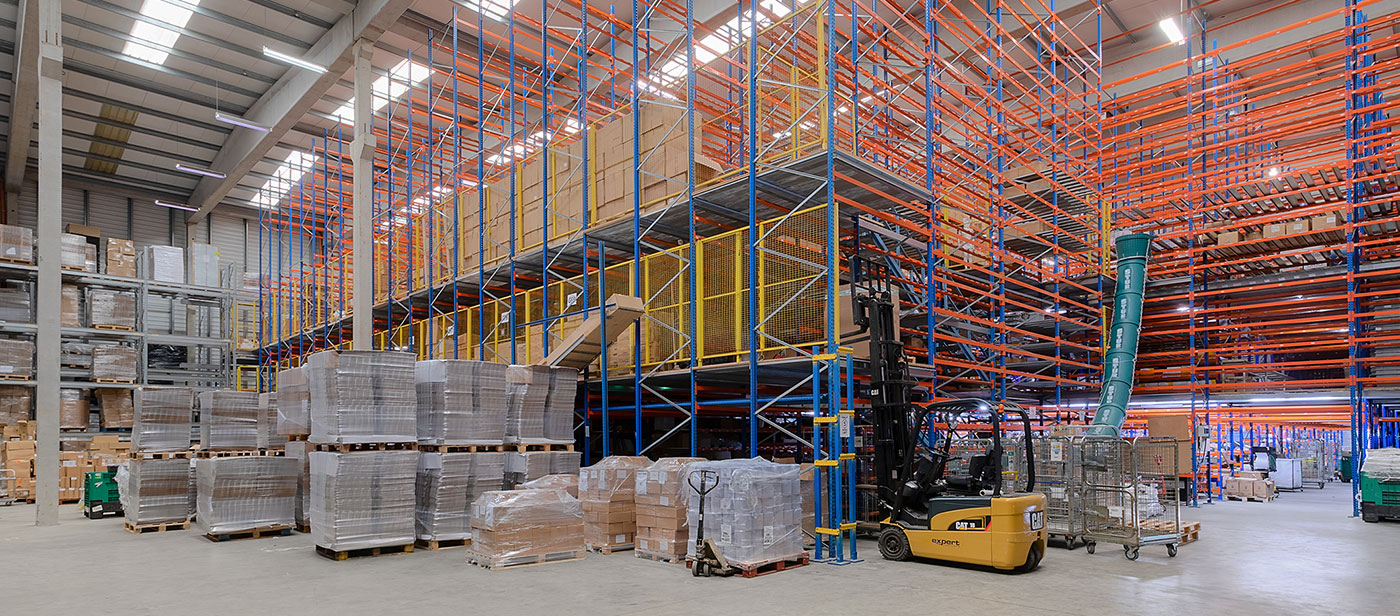
At the most basic level, fulfillment services handle the physical side of getting an order to your customer. That includes receiving and storing your inventory, picking the right items when an order comes in, packing it up, labeling it, shipping it out, and managing returns if something comes back.
When a customer clicks “Buy Now” on your website, a whole chain of events kicks off behind the scenes. If you are handling things yourself, that chain runs through you — your garage, your time, your energy. If you are using a fulfillment service, that chain runs through a professional operation built specifically to handle this kind of work at scale.
There are two broad approaches to fulfillment. The first is in-house, where you manage everything yourself. The second is outsourced, where a third party takes it off your hands. Most growing brands eventually move from the first to the second, and the reasons are not hard to see.
The global ecommerce fulfillment market grew 13.3% year-over-year and is on track to exceed $272 billion by 2030. In North America alone, the market reached $33.9 billion in 2025 and is estimated to hit $38.7 billion in 2026. These numbers tell a clear story: the industry is maturing fast, customer expectations are rising, and brands that handle logistics poorly are leaving money on the table.
Who Actually Needs to Outsource?
If any of these apply to you, it is probably time to look at your options:
- You are spending more time packing boxes than building your business
- Shipping errors are creeping up and customer complaints are following
- You have no room to scale your storage without renting a warehouse
- Seasonal spikes leave you overwhelmed and understaffed
- You are selling on multiple platforms and the coordination is becoming chaotic
The honest truth is that most brands wait too long to make the switch. The earlier you set up a proper fulfillment operation, the easier it is to grow without the growing pains.
The Main Types of Fulfillment Services Explained
Not all fulfillment services are built the same. The right model for your business depends on your order volume, your product type, your sales channels, and how much control you want to keep. Here is a clear breakdown of each option.
In-House Fulfillment
This is the starting point for most businesses. You store your own inventory, pack your own orders, and handle shipping directly. You have total visibility and control over every step, which is genuinely useful when you are small and learning what your customers want.
The downside is that it does not scale well. As order volume grows, so does the time, space, and labor required. And time spent in the warehouse is time not spent on product development, marketing, or customer relationships.
Third-Party Logistics (3PL)
A 3PL provider takes over the physical side of your supply chain. You send your inventory to their warehouse, they integrate with your store, and they handle everything from receiving through to delivery and returns.
The 3PL market is enormous and growing, expected to reach $1.4 trillion globally, with 71% of businesses reporting that their 3PL provider was able to adapt to their changing business needs. That flexibility is one of the biggest selling points. Whether you have a slow month or a Black Friday spike, a good 3PL can absorb the volume difference without you needing to hire or fire anyone.
3PL also gives you branding freedom. You can use custom packaging, add thank-you cards, and create the unboxing experience you want — something that matters more and more as customer expectations around post-purchase experience continue to rise.
Dropshipping Fulfillment
With dropshipping, you never actually touch the product. When a customer places an order, the supplier ships it directly. You are essentially a storefront sitting between the manufacturer and the end buyer.
This model works well for testing new products without upfront inventory investment. It keeps overhead low and eliminates warehousing entirely. The tradeoff is less quality control, slower shipping times in many cases, and less ability to create a branded experience. For a scaling brand with serious long-term goals, it is rarely a permanent solution.
Amazon Fulfillment Services
Amazon’s Fulfillment by Amazon (FBA) program is one of the most widely used order fulfillment services in the world. You ship inventory to Amazon’s warehouses, and they handle storage, picking, packing, shipping, returns, and customer service. Your products automatically earn the Prime badge, which is a significant conversion driver.
Roughly 60% of Amazon sellers use FBA to manage their inventory and orders. The reasons are obvious: you get access to Amazon’s vast logistics network, Prime eligibility, and built-in customer trust. For sellers whose business is centered on Amazon, it is a natural choice.
That said, Amazon fulfillment services come with real constraints. Fees can be significant, especially for long-term storage and products with lower margins. Inventory limits can bite during high-demand periods. And you are entirely dependent on one platform’s rules, which can and do change.
Hybrid Fulfillment
Many savvy sellers now use a hybrid strategy — leveraging Amazon fulfillment services for high-turnover Amazon sales while using a 3PL for multi-channel fulfillment and FBA prep. This approach gives you the best of both worlds: Prime eligibility on Amazon and full brand control everywhere else.
It is more complex to manage, but for brands selling across multiple channels, it often produces the best cost and experience outcomes.
Ecommerce Fulfillment Services: What to Look for in a Provider
Choosing the right partner is not just a logistics decision. It directly affects your profit margins, delivery speed, customer satisfaction, and ability to grow. Here is what to evaluate before you sign anything.
Technology and Integration Capabilities
Your fulfillment provider needs to connect seamlessly with your sales channels. Whether you are on Shopify, WooCommerce, Amazon, TikTok Shop, or all of the above, the integration should be smooth and real-time. Fragmented tech stacks remain a major pain point in 2026, creating bottlenecks and forcing sellers back to spreadsheets and manual follow-up at the expense of fulfillment speed. If a provider cannot integrate cleanly with your stack, that is a serious red flag.
Look for real-time inventory dashboards, automated order syncing, and proactive notifications when stock is running low. The best ecommerce fulfillment services make you feel like you have full visibility even though someone else is doing the physical work.
Warehouse Locations and Shipping Speed
Where your inventory lives determines how quickly and cheaply it reaches your customers. Brands using inventory placement programs experienced a 15% reduction in shipping zones and a 16% increase in in-region fulfillment in 2025. That matters because fewer shipping zones means lower carrier costs and faster delivery windows.
If most of your customers are in the eastern United States, having inventory stored exclusively on the west coast will cost you in both time and money. Ask any provider about their warehouse network and where they would recommend positioning your stock based on your customer geography.
Pricing Structures
Fulfillment pricing is rarely as simple as it looks at first glance. Typical cost components include receiving fees, monthly storage fees, per-order pick-and-pack fees, packaging materials, carrier shipping rates, and return processing charges. Amazon FBA charges can be higher than those of private 3PL providers, especially for long-term storage — for businesses with lower margins, these costs add up quickly.
Always ask for a full cost simulation based on your actual order volume and product dimensions. A cheap headline rate can hide expensive line items elsewhere.
Scalability During Peak Seasons
Can your provider handle a 5x volume spike over Black Friday weekend without missing SLAs? Ask specifically about peak-season capacity, staffing plans, and what happens to your order accuracy rates during high-volume periods. Get commitments in writing.
Returns Management
Returns are an inevitable part of ecommerce. Over 90% of online shoppers are likely to abandon a purchase following unexpected shipping costs, and a clunky returns process has a similar effect on repeat purchase rates. A good fulfillment service will have a clear, efficient reverse logistics process that gets returned inventory assessed, restocked, or disposed of quickly — and keeps your customers happy in the process.
Order Fulfillment Services: The Step-by-Step Process
Understanding what actually happens inside a fulfillment center helps you ask better questions, set better expectations, and diagnose problems when they arise.
Step 1 — Inventory Receiving and Storage
When your goods arrive at the fulfillment center, they go through a receiving process. Items are counted, inspected, logged into a Warehouse Management System (WMS), and assigned a storage location. Accuracy here is critical. Errors at receiving create problems all the way down the line, from incorrect inventory counts to mispicked orders.
Step 2 — Order Processing and Picking
When a customer places an order through your storefront, it flows automatically into the fulfillment system. A warehouse associate — or in some cases a robotic system — is directed to pick the correct items. Picking methods vary: single-order picking works well for small volumes, while batch picking and zone picking systems are used in higher-volume operations to maximize efficiency.
Step 3 — Packing and Labeling
Once items are picked, they are packed and labeled for shipment. This is where branding can come in. 80% of brands add some form of customization touchpoints to their orders — whether that is branded boxes, tissue paper, thank-you cards, or product inserts. What used to be a purely functional step is now a meaningful part of the customer experience.
Standard packaging is cheaper, but custom packaging creates a stronger brand impression, particularly for DTC brands where the unboxing moment is part of the product’s value proposition.
Step 4 — Shipping and Last-Mile Delivery
Once packed, orders enter the carrier network. One underrated benefit of order fulfillment services is the negotiating power 3PLs have with carriers. Because they ship in aggregate volume across all their clients, they typically secure rates that individual brands could never access on their own. That means your customers get competitive shipping prices, and you protect your margins.
Step 5 — Returns Management
Returns flow back to the fulfillment center, where items are inspected and either restocked, refurbished, or disposed of. A streamlined returns process protects customer lifetime value and keeps your inventory data accurate.
Amazon Fulfillment Services vs. Independent 3PL — Which One Wins?
This is the question most sellers eventually face, especially as their business grows beyond a single channel. The honest answer is that neither option wins universally. They serve different business models.
Where Amazon Fulfillment Services Excel
If your revenue is driven primarily by Amazon, FBA is a powerful tool. The Prime badge drives conversion. Amazon handles customer service and returns. Your products benefit from Amazon’s delivery infrastructure, which is among the best in the world. For sellers who want convenience and Prime eligibility, it is hard to beat.
FBA also integrates with Amazon’s advertising ecosystem, which can give FBA products a slight visibility advantage within the marketplace’s algorithm.
Where a 3PL Pulls Ahead
3PLs give you more control over branding and multi-channel fulfillment, while FBA locks you into Amazon’s ecosystem. A 3PL can serve all your sales channels — Amazon, Shopify, eBay, and beyond — from a single inventory pool. That is operationally simpler and strategically smarter for brands building a long-term direct relationship with their customers.
3PLs also provide a more personalized experience. You can visit the warehouse, audit operations, adjust processes, and build a real working relationship with the team handling your products. With FBA, you are one of millions of sellers in a standardized system.
The Decision Framework
Here is a practical way to think about it:
- Amazon-first brands with Prime as a core value proposition → FBA makes sense
- Multi-channel DTC brands → 3PL offers more flexibility and control
- Scaling brands selling on Amazon and elsewhere → Hybrid model combining FBA for Amazon and a 3PL for everything else
- Budget-constrained startups → 3PL often offers more predictable costs for lower-margin products
Your fulfillment strategy is a growth decision, not just a logistics decision. The model you choose affects how you can market, what you can promise customers, and how you build your brand long-term.
2026 Trends Shaping Ecommerce Fulfillment Services
The industry is moving fast. Here are the developments that matter most for ecommerce brands right now.
AI and Predictive Logistics
Predictive logistics uses artificial intelligence to forecast order volume, inventory needs, and shipping routes — and in 2026, this technology is becoming the norm rather than the exception. Fulfillment networks are using AI to route orders more efficiently, anticipate stockouts before they happen, and optimize carrier selection dynamically. For brands, this means fewer surprises and better cost predictability.
Omnichannel Selling Is the New Standard
86% of brands now sell on two or more sales channels, up 8% from 2025, and 75% of brands plan to add at least one new channel this year. This shift puts pressure on fulfillment infrastructure. You cannot manage omnichannel selling with a siloed logistics setup. The most effective approach is a unified fulfillment system that treats inventory as a single pool regardless of where the order originates.
Sustainability Is Now a Competitive Advantage
Brands are increasingly investing in biodegradable packaging, carbon-neutral delivery options, and fulfillment partners that prioritize efficiency to reduce waste. This is not just optics. Eco-conscious customers are making purchasing decisions based on packaging and delivery practices. Brands that get this right are building loyalty that goes beyond product quality alone.
Cross-Border Fulfillment Is Opening New Revenue
30% of brands plan to start fulfilling orders in new countries in 2026. International expansion used to be reserved for large enterprises. Today, 3PL providers with multi-country networks make it accessible for mid-market brands. The key is understanding customs compliance, import duties, and local carrier relationships before you commit to a new market.
Automation Across Every Stage
Automation is no longer limited to sorting lines and robotic pickers. In 2026, automation is powering smart order routing, billing, customer notifications, and returns processing. For growing brands, this means faster service, fewer human errors, and the ability to scale without proportionally scaling headcount.
How to Choose the Right Fulfillment Service for Your Business
With so many options available, the decision comes down to a clear-eyed assessment of your own business needs.
A Simple Decision Framework
Step 1: Define your volume. How many orders are you shipping today, and what do you project in 12 months? Some providers have minimums; others specialize in high-volume operations.
Step 2: Map your sales channels. Are you Amazon-first, DTC-first, or genuinely omnichannel? The answer shapes which fulfillment model fits your operational reality.
Step 3: Identify your non-negotiables. Is same-day shipping critical? Do you need custom packaging? Are you planning international expansion? Rank these before you start evaluating providers.
Step 4: Request a full cost simulation. Give three shortlisted providers your real order data and ask for a total-cost estimate. Include storage, pick-and-pack, shipping, and returns. Compare on total cost, not just headline rates.
Step 5: Ask for a trial period. Before committing to a long contract, negotiate a trial run. This is the only real way to assess how a provider performs under actual operating conditions.
Red Flags to Watch For
Some warning signs that a provider may not be the right fit:
- Vague or opaque pricing with hidden fee categories
- No real-time inventory dashboard or order tracking
- Slow communication during the sales process (it only gets slower after you sign)
- No written SLA (Service Level Agreement) for order accuracy or shipping speed
- Inability to support your primary sales channels via API integration
Conclusion
Fulfillment services have moved well beyond their back-office origins. Today, how you fulfill orders is a direct expression of your brand. It shapes whether customers come back, whether they leave positive reviews, and whether your margins hold up as you scale.
There is no single right answer when it comes to choosing a model. In-house fulfillment makes sense when you are starting out. A 3PL opens up flexibility and reach as you grow. Amazon fulfillment services are a powerful tool for marketplace-focused brands. And a hybrid approach often produces the best outcomes for brands operating across multiple channels.
What matters most is making a deliberate choice — one based on your volume, your customers, your channels, and your long-term brand goals — rather than defaulting to whatever feels easiest in the moment.
In 2026, fulfillment excellence is about margin protection, smarter automation, and treating cross-border delivery as a core customer promise, not an afterthought. The brands that get this right will not just ship faster. They will build stronger customer relationships, protect their margins, and scale with far fewer headaches.
Start by auditing your current fulfillment costs this week. Know what you are actually paying per order, where your shipping errors are coming from, and what your customers are saying about delivery experience. That data will tell you more clearly than anything else where your next move should be.
FAQ 1: What are fulfillment services and what do they actually include?
Fulfillment services are third-party operations that handle the entire physical journey of a product — from the moment it arrives at a warehouse to the moment it lands on your customer’s doorstep. The core services include receiving and storing inventory, processing incoming orders, picking the correct items from shelves, packing and labeling those items, handing them off to a shipping carrier, and managing returns when products come back. Some providers also offer value-added services like custom kitting, branded packaging, subscription box assembly, and B2B pallet-level shipping. In short, fulfillment services take everything that happens after “Buy Now” off your plate, so you can focus on growing the business rather than running a warehouse.
FAQ 2: What is the difference between fulfillment services and warehousing?
Warehousing is primarily about storage — a warehouse holds your inventory for an extended period, often in bulk, with scheduled outbound shipments. Fulfillment services go far beyond that. A fulfillment center processes individual customer orders daily, picking and packing them in real time, generating shipping labels, and dispatching packages through carrier networks. Fulfillment centers are also built closer to customer populations to cut last-mile delivery time, while traditional warehouses may be positioned for cost-efficient bulk storage rather than speed. Think of it this way: a warehouse is where inventory waits, while a fulfillment center is where orders come to life.
FAQ 3: How much do fulfillment services cost in 2026?
The cost of fulfillment services in 2026 depends on several variables including order volume, product size and weight, warehouse location, and the level of customization required. For standard single-item orders through a third-party logistics provider, the average pick-and-pack cost ranges from $3.50 to $8.00 per order, not including outbound shipping. When you factor in receiving fees ($25–$45 per pallet), monthly storage ($20–$45 per pallet), and return processing charges, the total landed cost for a domestic DTC order typically falls between $8 and $15. For cross-border orders, that range rises to $11–$19. Amazon FBA fees have also risen in 2026, with surcharges for oversized items and peak-season periods adding significant cost for certain product categories. Always request a full cost simulation — not just the headline rate — before committing to any provider.
FAQ 4: What is the difference between fulfillment services and dropshipping?
With fulfillment services, you own the inventory. You send your products to a fulfillment center, and when an order comes in, that partner picks, packs, and ships it using your stock. With dropshipping, you never hold inventory at all — when a customer orders, your supplier ships directly from their location. Fulfillment services give you more control over quality, packaging, shipping speed, and the overall customer experience. Dropshipping keeps upfront costs low and eliminates inventory risk, but you sacrifice branding control and often face slower, less predictable delivery times. For brands that are serious about building long-term customer loyalty, fulfillment services offer more consistency and better outcomes over time.
FAQ 5: When should a small business start using fulfillment services?
The right time to outsource fulfillment is when the operational burden of handling it in-house is actively slowing your growth. Common trigger points include spending several hours per day on packing and shipping, seeing shipping error rates rise, struggling to keep up during seasonal spikes, or having no physical space left to store more inventory. Many small business owners wait too long and make the switch under pressure, which leads to rushed decisions. As a general benchmark, if you are consistently shipping more than 50 to 100 orders per week, exploring fulfillment services becomes worth the time investment. In 2026, many 3PL providers cater specifically to small brands with no order minimums and flat-fee pricing that scales affordably.
FAQ 6: What are Amazon fulfillment services and how do they work?
Amazon fulfillment services primarily refers to Fulfillment by Amazon (FBA), a program where sellers ship their inventory to Amazon’s fulfillment centers, and Amazon handles storage, picking, packing, shipping, customer service, and returns. Products enrolled in FBA automatically qualify for Prime eligibility, which is a powerful conversion driver given the size of Amazon’s Prime customer base. Amazon also offers Multi-Channel Fulfillment (MCF), which allows sellers to use their Amazon inventory to fulfill orders from other platforms like Shopify. As of January 2026, Amazon no longer offers prep or labeling services at US fulfillment centers, meaning sellers must arrive with compliant, pre-labeled inventory or use an FBA prep service. Fees for FBA rose slightly in 2026, with additional surcharges for oversized products and peak fulfillment periods.
FAQ 7: What is the difference between Amazon FBA and a third-party fulfillment service (3PL)?
Amazon FBA and a third-party logistics provider (3PL) both handle storage, picking, packing, and shipping — but they operate under very different models. FBA is built around Amazon’s ecosystem, giving you Prime eligibility and access to Amazon’s delivery network, but you are fully dependent on one platform’s rules, fees, and inventory limitations. A 3PL is an independent partner that can serve all your sales channels simultaneously — Amazon, Shopify, eBay, TikTok Shop, and more — from a single inventory pool. 3PLs give you more control over branding, custom packaging, and multi-channel fulfillment. FBA tends to work best for Amazon-first sellers. A 3PL is better suited for brands building a direct customer relationship across multiple platforms. Many high-growth brands use both in a hybrid model, using FBA for Amazon orders and a 3PL for everything else.
FAQ 8: What is order accuracy rate and what should I expect from a fulfillment service?
Order accuracy rate measures the percentage of orders that are picked, packed, and shipped correctly — right item, right quantity, right address, right packaging. The industry average for pick accuracy runs between 97% and 98%, while best-in-class providers achieve 99.5% to 99.9%. Inventory accuracy standards typically require a minimum of 97%, with top-tier operations achieving 99.8% or higher. When evaluating any fulfillment service, ask specifically for their documented order accuracy SLA (Service Level Agreement). Providers who cannot or will not share these numbers are a red flag. Inaccurate orders cost you in returns, reshipments, customer service time, and damaged reviews — all of which compound quickly at scale.
FAQ 9: Can fulfillment services handle international or cross-border shipping?
Yes, many fulfillment services now offer international capabilities, and cross-border fulfillment is one of the fastest-growing segments of the industry. In 2026, 30% of ecommerce brands are planning to start fulfilling orders in new countries. International fulfillment involves more complexity than domestic shipping — customs documentation, import duties and tariffs, local carrier partnerships, and country-specific packaging and labeling requirements all need to be managed correctly. The right fulfillment partner for international expansion will have multi-country warehouse networks, experience with customs compliance, and established relationships with in-country last-mile carriers. Always clarify who is responsible for duty and tax calculation (DDP vs. DDU) before offering international shipping to your customers.
FAQ 10: What is a fulfillment service SLA and what should it cover?
A Service Level Agreement (SLA) in the context of fulfillment services is a formal, written commitment from the provider that defines the performance standards they will be held to. The most important SLA metrics to negotiate include on-time shipping rate (industry standard is 95%–98%, with best-in-class at 99.5%+), pick accuracy rate (ideally 99%+), inventory accuracy (97% minimum), dock-to-stock time (how quickly received inventory is available to fulfill orders), and returns processing timeframe (industry standard is 24–48 hours from receipt). Without a clear SLA, you have no contractual basis for holding a provider accountable when performance slips. Always insist on a written SLA before signing any fulfillment contract, and pay close attention to how performance is measured and what remedies are available if targets are missed.
FAQ 11: What should I look for when choosing a fulfillment service provider?
When evaluating fulfillment service providers, the most important factors to assess are technology integration with your sales platforms, warehouse location relative to your customer base, transparent and fully itemized pricing, peak-season capacity and staffing plans, documented order accuracy rates, and a clear SLA. Beyond the specs, communication responsiveness during the sales process is an honest signal of how they will treat you as a client. Providers who are slow to respond before you sign tend to be worse afterward. Ask for references from brands of similar size and product type, request a facility tour or video walkthrough, and if possible, negotiate a trial period before committing to a long-term contract. Technology integration is especially critical in 2026 — a provider that cannot connect cleanly to your storefront in real time will create operational drag that grows worse as you scale.
FAQ 12: How do fulfillment services handle product returns?
Returns management, also called reverse logistics, is a core part of what quality fulfillment services offer. When a customer initiates a return, the item is shipped back to the fulfillment center, where it is received, inspected, and categorized. Depending on its condition, it is either restocked into sellable inventory, flagged for refurbishment, or disposed of according to your predefined policy. The industry standard for returns processing turnaround is 24–48 hours from receipt, with best-in-class providers completing it within 24 hours. Given that return rates in ecommerce typically run between 5% and 20% depending on the product category, a provider’s returns capability is not a secondary concern — it directly affects your cash flow, inventory accuracy, and customer satisfaction scores.
FAQ 13: Do fulfillment services own my inventory?
No. When you use a fulfillment service, your inventory remains your property at all times. The fulfillment center holds it in their facility on your behalf, but title and ownership stay with you. Risk of loss during storage typically remains with the brand owner under most fulfillment contracts, which means it is important to carry appropriate cargo or inventory insurance for the stock held at third-party facilities. Most reputable providers will accept liability for inventory loss or damage that is directly traceable to their negligence. A small amount of inventory shrinkage — typically around 0.5% of throughput — is considered standard in the industry and is usually addressed in the contract. Always read the liability clauses carefully before signing.
FAQ 14: What is kitting in fulfillment services and do I need it?
Kitting is the process of assembling multiple individual SKUs into a single, ready-to-ship package or bundle. For example, if you sell a skincare brand and want to offer a “starter kit” that includes a cleanser, toner, and moisturizer bundled together, your fulfillment provider would assemble these kits in advance or on demand when an order comes in. Kitting is charged as a value-added service, typically ranging from $1 to $5 per kit depending on complexity. It is a particularly powerful strategy for increasing average order value and creating perceived product bundles that reduce price comparison shopping. Not every brand needs kitting, but if you are running promotions, bundles, or subscription boxes, it is worth asking whether your fulfillment partner supports it and at what cost.
FAQ 15: How do fulfillment services integrate with Shopify, Amazon, and other platforms?
Most modern fulfillment services connect to ecommerce platforms via API or direct integration. When a customer places an order on your Shopify store, the order data flows automatically into the fulfillment provider’s warehouse management system (WMS), triggering the pick-and-pack process without any manual input from you. Common integrations include Shopify, WooCommerce, Amazon Seller Central, eBay, TikTok Shop, and Walmart Marketplace. The quality and stability of these integrations vary significantly between providers. Before committing, test the integration with your actual stack — specifically checking for real-time inventory syncing, automated tracking updates being sent to customers, and clean handling of order cancellations and edits. In 2026, fragmented tech integrations remain one of the most cited frustrations among ecommerce brands using outsourced fulfillment.
FAQ 16: What are the most common mistakes businesses make when choosing fulfillment services?
The most common mistakes include choosing a provider based solely on the lowest quoted rate without modeling total cost, failing to check technology integration compatibility before signing, not requesting a documented SLA, ignoring the provider’s track record with businesses of similar size and product type, and not accounting for peak-season capacity. Another frequent error is selecting a provider with no experience in your product category — handling fragile goods, temperature-sensitive items, or oversized products requires specific infrastructure that not every warehouse has. Finally, some brands overlook the contract terms around termination clauses and inventory shrinkage allowances, which can become painful if the relationship does not work out.
FAQ 17: Can I use fulfillment services for B2B orders as well as B2C?
Yes. While most discussion around fulfillment services focuses on direct-to-consumer (B2C) shipping, many providers also support B2B fulfillment — shipping larger quantities to retailers, distributors, or corporate buyers. B2B fulfillment involves different operational requirements: pallet-level shipping, EDI compliance (Electronic Data Interchange), specific retailer routing guides, advance shipping notices (ASNs), and barcode labeling standards. Major retailers like Target, Walmart, and Costco each have detailed compliance requirements, and failure to meet them can result in chargebacks. If you are selling both B2B and B2C, confirm that your fulfillment partner has experience navigating retailer compliance before committing — not all 3PLs are equipped for both models.
FAQ 18: What is multi-channel fulfillment and why does it matter?
Multi-channel fulfillment is the ability of a fulfillment service to receive orders from multiple selling platforms — Amazon, Shopify, eBay, TikTok Shop, your own website — and fulfill them all from a single shared inventory pool. In 2026, 86% of ecommerce brands sell on two or more channels, and 75% plan to add at least one new channel this year. Without multi-channel fulfillment capability, brands often end up with siloed inventory allocated to specific platforms, which creates stockout risks on one channel while inventory sits idle on another. A fulfillment partner with strong multi-channel capability connects all your channels to one live inventory count, routes each order to the nearest warehouse, and sends tracking updates back to each platform automatically.
FAQ 19: How do fulfillment services help reduce shipping costs?
One of the most underrated benefits of using a fulfillment service is the negotiating leverage they have with major shipping carriers. Because a 3PL ships aggregate volume across all their clients, they negotiate carrier rates that individual brands — even fast-growing ones — cannot access on their own. This translates to meaningfully lower per-shipment costs passed through to you. Beyond carrier rates, strategically placed warehouse networks reduce the number of shipping zones each order must travel, which directly cuts shipping costs. Brands using inventory placement programs in 2025 saw a 15% average reduction in shipping zones, which compounded into significant savings at scale. Partnering with the right fulfillment service can often more than offset the provider’s fees through shipping savings alone.
FAQ 20: What is same-day fulfillment and which providers offer it in 2026?
Same-day fulfillment means that orders placed before a defined daily cutoff time — which varies by provider and location, typically between noon and 6 PM local warehouse time — are picked, packed, and handed to a carrier on the same day. This does not mean the customer receives the package the same day; it means the order exits the warehouse that day and enters the carrier network for standard or expedited delivery. Same-day fulfillment is now a competitive baseline in 2026, not a premium offering. Providers like ShipBob, Simpl Fulfillment, and ShipMonk offer same-day processing for qualifying orders. If your customers expect fast shipping — and most ecommerce shoppers do — confirming your provider’s cutoff time and fulfillment speed guarantee should be a standard part of your evaluation criteria.
FAQ 21: What happens to my inventory if a fulfillment service goes out of business?
This is one of the most important risk questions to ask before choosing a provider, and yet most brands never raise it. If a fulfillment center closes or enters financial difficulty, your inventory can become inaccessible — sometimes for weeks — while legal proceedings or asset sales are resolved. To protect yourself, review the termination and insolvency clauses in the contract carefully. Understand the notice period required to move inventory and whether the provider holds your goods separately from their own assets. Maintain up-to-date, accurate inventory records independently of whatever the provider’s system shows. It is also sensible to carry cargo insurance on inventory held at third-party facilities. Working with financially stable, established providers reduces this risk — but it never eliminates it entirely.
FAQ 22: How does sustainability factor into fulfillment services in 2026?
Sustainability has moved from a marketing talking point to an operational reality in fulfillment services. Brands are increasingly choosing fulfillment partners based on their environmental practices, including the use of biodegradable or recycled packaging materials, carbon-neutral delivery options, energy-efficient warehouse operations, and route optimization to reduce last-mile emissions. Some 3PLs now offer documented carbon offset programs and ESG (Environmental, Social, and Governance) reporting that brands can use to support their own sustainability commitments. For brands selling to environmentally conscious consumers — particularly in the beauty, wellness, apparel, and food categories — a provider’s sustainability credentials are a legitimate differentiator worth investigating during the selection process.
FAQ 23: What is the difference between a fulfillment service and a fulfillment center?
The terms are related but not identical. A fulfillment service refers to the overall offering — the complete package of receiving, storing, picking, packing, shipping, and returns management provided by a logistics company. A fulfillment center is the physical facility — the warehouse building where that work actually takes place. A single fulfillment service provider may operate multiple fulfillment centers across different geographic regions, allowing them to position your inventory in multiple locations to reduce shipping time and cost. When evaluating a provider, ask both questions: What services do you offer? And: How many fulfillment centers do you operate, and where are they located? The combination of both answers tells you what you can do and where you can do it.
FAQ 24: What is the future of fulfillment services, and what should ecommerce brands prepare for?
The trajectory of fulfillment services is clear: faster, smarter, and more automated. Artificial intelligence is being used to forecast demand, optimize inventory placement, route orders intelligently, and identify returns that can be resold versus disposed of — all without human intervention. Robotics adoption in warehouses rose 50% since 2023, reducing labor costs and error rates simultaneously. Omnichannel fulfillment is becoming the standard expectation rather than an advanced capability. Cross-border fulfillment is expanding rapidly, with 30% of brands planning international expansion in 2026. For brands to stay competitive, the priorities are clear: build a fulfillment infrastructure that is API-connected, geographically distributed, AI-enabled, and capable of serving customers across every channel they choose to shop on. Fulfillment is no longer a back-office cost — it is a front-facing brand experience, and the brands that treat it that way will win.