
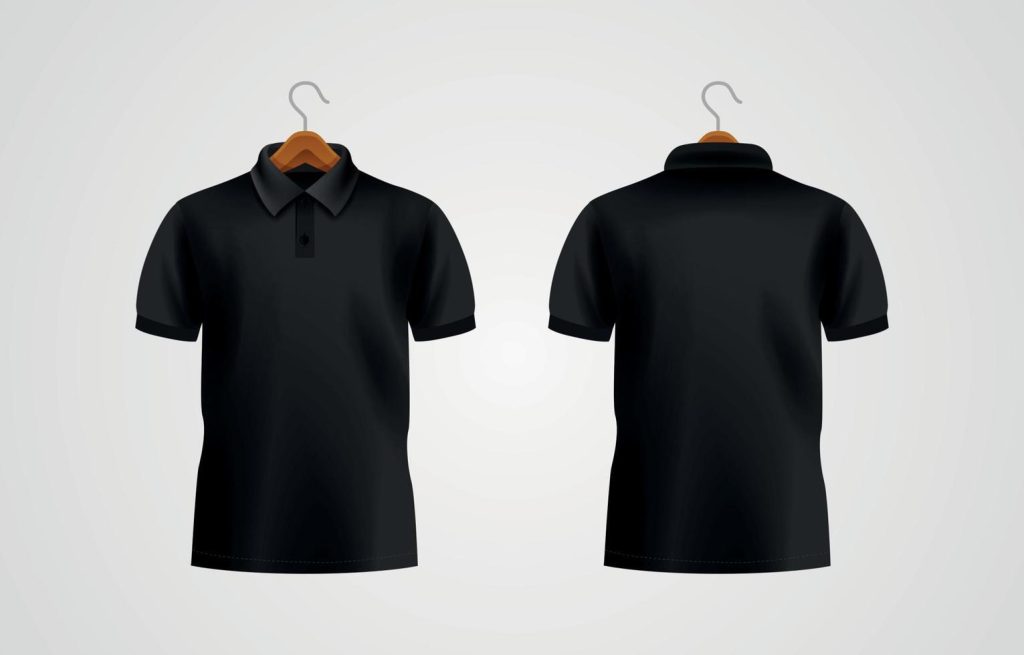
Some pieces of clothing just make sense. You reach for them without thinking, and somehow, they always work. The black polo shirt is exactly that kind of piece.
It sits in a sweet spot between too casual and too formal. It works on a Monday morning at the office and on a Saturday afternoon with friends. It works across age groups, body types, and personal styles. Few garments in a wardrobe can say the same.
This guide covers everything you need to know. From its origins and styling tips for both men and women, to fabric choices, fit advice, and how to keep it looking sharp after years of wear. Whether you are buying your first one or refreshing what you already own, this is the only guide you need.
Why the Black Polo Shirt Never Goes Out of Style
A Brief History: From the Tennis Court to the Mainstream Wardrobe
The polo shirt was born out of practicality. In the early 1900s, tennis and polo players needed a shirt that could handle athletic movement without looking sloppy. René Lacoste — a French tennis champion — is widely credited with designing the modern version in the 1920s. He replaced the stiff, buttoned-up shirts of the era with a soft cotton piqué design featuring a ribbed collar and a short button placket at the neckline.
By the 1950s and 1960s, it had moved off the sports field and into everyday life. Brands picked it up. Consumers fell in love with it. And it has never left.
The black colourway, in particular, became dominant through the 1980s and 1990s when minimalism and monochrome dressing took hold in mainstream fashion. Since then, it has held its ground through every decade, every trend cycle, and every fashion reset that followed.
What Makes Black the Dominant Color Choice
Black does something other colours cannot quite replicate. It slims the silhouette. It pairs with virtually any other colour in a wardrobe without clashing. It hides minor stains and wear marks far better than whites, creams, or pastels. And it carries a quiet authority that lighter shades simply do not possess.
When you wear black, you signal that you have made a deliberate choice — not that you just grabbed the first thing available.
There is also a deeply practical side to it. Black fades more slowly than brighter colours when cared for properly. It photographs well in almost any lighting. And it transitions seamlessly between seasons — working under a light linen jacket in spring and beneath a structured wool coat in the depths of winter.
The Black Polo T Shirt vs. Traditional T-Shirts and Dress Shirts
The polo shirt fills a gap that nothing else in a wardrobe quite covers. A plain T-shirt is too casual for most workplaces and many social settings. A dress shirt, on the other hand, can feel overdressed when the occasion is relaxed or informal. The black polo t shirt lands cleanly in the middle of both.
It has the collar that gives it structure and a polished edge. But it has the short sleeves and soft fabric that keep it comfortable and laid-back. That specific balance is what makes it so versatile — and why stylists, professionals, and everyday people keep returning to it season after season.
How to Style a Black Polo Shirt for Men
Black Polo Shirt Mens — Casual Everyday Outfits
For casual wear, the formula is genuinely simple. Pair a well-fitted black polo shirt with slim or straight-leg chinos in a neutral tone. Beige, khaki, navy, or olive all work beautifully alongside black. Add clean white sneakers or dark leather trainers, and you have an outfit that looks considered without appearing like you tried too hard.
For weekends, you can go even more relaxed. Dark slim jeans with a black polo t shirt and minimalist canvas shoes give you a clean, effortless look that works from morning errands through to a casual lunch without needing to change.
A few reliable casual outfit combinations for men include:
- Black polo shirt + khaki chinos + white leather sneakers
- Dark slim jeans + black polo + suede loafers
- Neutral jogger-style trousers + black polo + clean trainers (for a modern athleisure feel)
All three look deliberate, put-together, and comfortable — which is exactly the point.
Dressing It Up: Smart-Casual and Business-Casual Looks
The polo shirt performs just as well in smarter settings. Tuck it into well-tailored trousers — charcoal grey, deep navy, or camel tones complement the black particularly well — and add a pair of leather loafers or Oxford shoes. This combination works cleanly for business-casual offices, client-facing meetings, and even semi-formal dinners where a full suit would feel excessive.
The general rule for tucking: if the trousers are tailored or the setting leans professional, tuck it in neatly. For casual settings, untucked almost always works better and looks more relaxed.
If you want to push the look further into smart territory, add a slim-cut blazer. A charcoal or navy blazer over a black polo shirt creates a sharp, modern silhouette that reads as confidently smart without a hint of stuffiness.
Layering Tips — Jackets, Overshirts, and the Quarter-Zip Combination
Layering extends the usefulness of a polo shirt across all four seasons. In cooler months, a quarter-zip jumper in grey, burgundy, or camel worn over a polo gives a clean, textured look. The collar of the polo peeks out above the zip — a subtle detail that adds visual interest and elevates the whole outfit.
An overshirt — in flannel, denim, or cotton twill — works well for transitional weather. Worn open over the polo, it adds dimension and warmth without bulk or heaviness.
Bomber jackets, harrington jackets, and tailored wool coats all layer well over a polo. The key is keeping everything else simple when layering. Because black is such a neutral base, you have enormous freedom with what goes on top without anything clashing.
One practical styling note: keep the collar down in almost all everyday situations. The popped collar look rarely translates well outside very specific nostalgic or preppy contexts.
The Ladies Black Polo T Shirt — Style Tips for Women
Why Women Are Embracing the Polo Shirt Again
The polo shirt has had a strong and sustained comeback in women’s fashion over the past few years. The quiet luxury trend — which favours understated, high-quality basics over loud logos or fast-fashion novelties — brought it firmly back into focus. So did the broader cultural shift toward gender-neutral and gender-fluid dressing.
A ladies black polo t shirt offers the same versatility to women that it offers to men, but often with even greater styling potential. Women can dress it up, pull it down, or take it somewhere entirely unexpected, and the result almost always looks intentional and stylish.
Feminine Styling Ideas for a Ladies Black Polo T Shirt
The most widely worn combination right now pairs a women’s polo with a mini skirt. Whether that is a pleated plaid skirt for a preppy, collegiate feel, a leather mini for a bolder and edgier aesthetic, or a solid-colour A-line for something clean and classic — the polo balances the proportions of each look perfectly.
Wide-leg trousers are another genuinely strong option. Tuck the polo fully into the waistband and the look immediately becomes polished and fashion-forward. Add a thin belt at the waist and you have an outfit that moves from an office setting to an evening out without missing a step.
Other women’s styling ideas worth trying:
- Knotted at the front hem over high-waist straight-leg jeans
- Half-tucked into a midi skirt for a relaxed, editorial aesthetic
- Layered under a sleeveless pinafore dress for an autumn-appropriate outfit
- Worn intentionally oversized (in a men’s cut) with cycling shorts or fitted leggings for a contemporary sporty look
Fit Differences: Women’s Cut vs. Unisex and Oversized Polo Shirts
Women’s polo shirts are cut differently from men’s versions. They are typically tapered at the waist, shorter in the torso, and designed to sit differently at the shoulders — creating a more naturally fitted and feminine silhouette without any extra effort.
That said, the intentionally oversized look — choosing a men’s or unisex polo one or two sizes larger than usual — is genuinely popular and widely styled right now. It creates a relaxed, effortlessly cool aesthetic that a slim women’s cut simply does not replicate.
The choice comes down to what you want from a given outfit. Want structure, definition, and a polished finish? Choose a fitted women’s cut. Want something loose, comfortable, and styled with a current fashion sensibility? Size up deliberately and style around the volume.
Choosing the Right Fabric for Your Black Polo T Shirt
Cotton, Piqué, and Performance Blends — What’s the Difference?
Not all polo shirts are made equal, and fabric is the single biggest factor separating a good one from a genuinely great one.
Piqué cotton is the traditional and most widely used choice. It has a distinctive raised, waffle-like texture on the surface that comes from its specific weaving method. Piqué holds its shape well, breathes reliably, and gives the shirt its classic, structured appearance. It washes consistently and tends to last considerably longer than thinner alternatives. Most premium, heritage, and workwear-grade polo shirts use piqué as their primary fabric.
Jersey cotton — the same base fabric used in standard T-shirts — feels noticeably softer and more relaxed. It drapes more gently than piqué and suits a casual, lived-in aesthetic better. It is a strong choice if you are prioritising everyday comfort over structured appearance.
Performance blends — typically polyester-cotton mixes or fully synthetic fabrics — are engineered for active and outdoor use. They wick moisture away from the skin, dry quickly after sweating, and resist odour buildup. They are not the right choice for a smart-casual or professional setting, but for sport, golf, or anything physically active, they are clearly the better-suited option.
Which Fabric Works Best for Which Setting
Matching the fabric to the occasion matters more than most people realise:
- Office or smart-casual: Piqué cotton — 100% or with a small elastane blend for added stretch and comfort
- Everyday casual wear: Jersey cotton or a soft cotton-modal blend for all-day wearability
- Sport, golf, or outdoor activity: Moisture-wicking performance fabric designed specifically for movement and sweat management
How to Spot Quality Fabric Before You Buy
When shopping online, look for the GSM figure — grams per square metre. A quality polo shirt typically sits between 180 and 240 GSM. Anything below 150 GSM is likely to be too thin, prone to pilling quickly, and unlikely to hold its shape beyond a handful of washes.
When shopping in-store, rub the fabric gently between your fingers. Quality material feels dense, smooth, and substantial — not scratchy, papery, or flimsy. Hold it lightly up to a light source. If it is nearly transparent, it is too thin to hold up reliably over time.
Getting the Perfect Fit — Men’s and Women’s Sizing Guide
How a Black Polo Shirt Mens Should Actually Fit
Fit makes or breaks a polo shirt. Even the most expensive fabric and the most classic design will look wrong if the proportions are off. Here is exactly what to check on men’s sizing:
Shoulders: The shoulder seam should sit right at the outer edge of your shoulder. If it drops down onto the upper arm, the shirt is too large. If it pulls inward toward the neck, it is too small.
Chest: You should be able to pinch roughly an inch of fabric on either side of the body without the fabric pulling at the buttons. Anything tighter will look constricted and unflattering. Anything looser will read as sloppy and unintentional.
Length: When worn untucked, the shirt should fall just below the trouser waistband — not so long that it hangs past the hip, and not so short that it exposes the waistband when you move. When tucked, it should have enough length to stay in comfortably without constantly coming loose.
Sleeves: The sleeve hem should sit at approximately mid-bicep. Too long and it reads like a dress shirt; too short and the proportions look unbalanced.
Fit Tips for Women: Slim Fit, Relaxed, and Oversized Explained
Women have more fit options available, and all three can produce genuinely strong results depending on the intended look.
A slim-fit polo follows the body’s shape closely and works best for structured, tailored, and office-ready outfits. A regular fit gives more room through the body and suits relaxed everyday wear and casual settings. An oversized fit is the most styling-versatile of the three — it can be adapted across multiple looks and tends to be the most physically comfortable option for all-day wear.
A simple at-home measuring approach: measure your chest at its fullest point, then add approximately 4 to 6 cm for a slim fit, 8 to 10 cm for a regular fit, and 15 cm or more for a deliberately oversized look. Cross-reference those numbers with the specific brand’s size chart before placing an order.
It is worth noting that sizing differences between brands can be significant — sometimes a full size or more. Always check the individual size guide rather than assuming your usual size will transfer across.
Occasions Where a Black Polo Shirt Always Works
The Workplace — Dress Codes Where It Fits In Naturally
A black polo shirt genuinely earns its place in most business-casual work environments. Tech companies, creative agencies, hospitality businesses, client-facing retail roles, and administrative settings all commonly accept polo shirts as appropriate professional attire.
For offices with stricter dress expectations, pair it with tailored trousers and leather shoes. The result reads as polished and deliberate — not as someone who opted out of making an effort. Many companies also choose polo shirts as part of their staff uniforms specifically because they strike the right balance between professional appearance and practical comfort.
Social Events, Dinners, and Casual Gatherings
When an invitation arrives and the dress code is genuinely unclear, a black polo shirt is one of the most reliable defaults available. It avoids the risk of being obviously underdressed — as a plain T-shirt might be — while not veering into overdressed territory the way a full dress shirt and blazer combination sometimes can.
For dinner with friends, pair it with dark jeans and clean shoes. For an outdoor social event or garden gathering, combine it with chinos and loafers. In both cases, the polo delivers without any visible effort.
Sports, Golf, and Outdoor Settings — Its Original Home
Let us not forget where the polo shirt started. On the golf course, the tennis court, and other sporting environments, it remains the standard smart-casual choice that has never really been displaced. A black polo t shirt made from performance fabric handles sweat, movement, and variable weather without looking dishevelled or inappropriate.
Black is especially practical in outdoor settings. It does not show grass stains, light dirt, or surface marks as readily as white or pale-coloured alternatives. It maintains a clean and composed appearance across a full day of activity.
Caring for Your Black Polo Shirt — Keep It Looking New
Washing Tips to Prevent Fading and Pilling
Black fabric is considerably more susceptible to fading than most people realise — but it is easy to prevent with a small number of consistent habits.
Always wash your black polo shirt inside out. This single step protects the outer surface from friction during the wash cycle, which is the primary mechanical cause of both fading and pilling over time.
Use cold water only. Hot water causes fibres to break down faster and accelerates colour loss from dark fabrics significantly. Choose a gentle or delicate cycle setting where possible, and reduce the spin speed if your machine allows it.
Use a mild, colour-safe detergent — ideally one formulated specifically for dark or black garments. Avoid any detergent containing optical brighteners, as these are designed to make lighter colours appear brighter and will strip depth from dark fabrics with repeated use. Bleach should never be used on a black garment under any circumstances.
When drying, air drying is always the better choice. High-heat tumble drying weakens fabric fibres at a structural level, causes gradual shrinkage, and accelerates the surface pilling that makes a once-sharp polo look worn out. Lay the shirt flat on a clean surface to dry, or hang it on a rounded hanger away from direct sunlight.
How to Store Polo Shirts Without Ruining the Collar
The collar is structurally the most vulnerable part of a polo shirt and the first to show signs of wear or distortion.
To protect it during storage, fold polo shirts neatly rather than hanging them on thin wire hangers, which stretch the collar and shoulder areas over time. If you prefer to hang your shirts, use wide, contoured hangers that support the full shoulder line properly. Before storing, button the top one or two collar buttons — this simple habit helps the collar hold its intended shape between wears.
For off-season or longer-term storage, wash the shirt thoroughly before putting it away. Storing any garment with residual body oils, sweat, or surface dirt embedded in the fabric leads to long-term discolouration and fibre degradation that is very difficult to reverse after several months.
Conclusion
There are very few garments as consistently and quietly useful as the black polo shirt. It has been a wardrobe staple for over a century and shows absolutely no signs of fading from relevance. That staying power is not an accident — it is the result of a design that works in the real world, for real people, across a genuinely wide range of situations.
It works for men and for women. It works dressed up and dressed down. It works in the office, on the golf course, and at a Saturday dinner with friends. It is practical, adaptable, and — when bought at a reasonable quality level and cared for properly — remarkably long-lasting.
Whether you are building a wardrobe from scratch or simply looking to simplify and refine what you already have, a well-fitted, quality black polo shirt deserves a permanent place in it. Buy one that fits properly. Wear it consistently. Care for it correctly. You will very quickly understand why this single garment has become one of the most trusted pieces in modern everyday dressing.
FAQ 1: What makes a black polo shirt different from a regular T-shirt?
A black polo shirt has a structured ribbed collar and a short button placket at the neckline — two design features that a plain T-shirt completely lacks. These elements give it a noticeably smarter and more polished appearance, making it appropriate for settings where a T-shirt would be considered too casual, such as offices, client meetings, or semi-formal social events. Think of it as the midpoint between a relaxed T-shirt and a dress shirt — it carries the comfort of one and the presentation of the other.
FAQ 2: Should a black polo shirt be tucked in or left untucked?
Whether to tuck in a black polo shirt depends on the occasion and the bottom you are wearing it with. For business-casual environments, formal dinners, or smart-casual events, tucking it into tailored trousers or chinos creates a sharp, polished look — always pair it with a belt when tucking. For casual everyday wear, weekend outings, or when worn with jeans and shorts, leaving it untucked is perfectly appropriate, provided the hem falls neatly just below the waistband and does not drop past the mid-back pocket level. A shirt with a flat, even hemline is designed to be worn either way; a shirt with a longer curved tail at the back is typically meant to be tucked in.
FAQ 3: What trousers and pants go best with a black polo shirt?
A black polo shirt is one of the easiest pieces to pair with bottoms because black acts as a neutral base that works with almost any colour. The most reliable pairings for men are slim or straight-leg chinos in beige, khaki, navy, or olive, along with dark-wash slim jeans for casual looks and charcoal or navy tailored trousers for smarter settings. For women, wide-leg trousers, tailored straight-leg jeans, midi skirts, and mini skirts all complement a black polo extremely well. As a general style rule, lighter-coloured bottoms create the strongest contrast with black and tend to produce the most visually balanced and well-proportioned outfit.
FAQ 4: Can a black polo shirt be worn to the office?
Yes — a black polo shirt is widely accepted in business-casual workplaces, and many companies use it as their preferred staff uniform precisely because it strikes the right balance between professional and comfortable. To make it office-appropriate, pair it with well-fitted tailored trousers or chinos, add a leather belt, and wear formal shoes such as loafers or Oxfords. In slightly more formal office environments, layering a slim blazer over the polo elevates the look further and brings it close to smart business attire. It is not suitable for strictly formal or black-tie settings, but for the vast majority of modern workplaces, a well-fitted black polo shirt absolutely holds its own professionally.
FAQ 5: How should a black polo shirt fit for men?
A correctly fitted black polo shirt should have its shoulder seam sitting precisely at the outer edge of your shoulder — not drooping down onto the upper arm (too big) and not pulling inward toward the neck (too small). The chest should allow you to pinch roughly one inch of fabric on each side without pulling at the buttons. The shirt length should fall just below the trouser waistband when untucked, and the sleeve hem should sit at approximately mid-bicep. A slim fit tapers gently at the torso and suits lean or athletic builds; a regular fit gives more room through the body and suits most everyday needs; a relaxed fit works well for broader or plus-size body types. The key principle is that the shirt should follow your body’s shape without restricting movement or looking loose and shapeless.
FAQ 6: What shoes go best with a black polo shirt?
Shoe choice depends on how dressed up or down you want the overall outfit to feel. For casual wear, clean white leather sneakers, suede trainers, or canvas shoes pair cleanly with a black polo. For smart-casual looks, leather loafers — in tan, cognac, or dark brown — are the most popular and widely recommended choice, adding warmth and contrast against the black. For business-casual or formal settings, leather Oxfords or Derby shoes in black or dark brown complete the look with full authority. Chelsea boots in black or dark tan also work very well across both casual and semi-formal looks. The one consistent recommendation from stylists is to avoid heavy chunky sports trainers when wearing a polo in a smart or evening setting, as they undermine the elevated quality of the shirt.
FAQ 7: What colours work best with a black polo shirt?
Black pairs effectively with almost any other colour, which is one of the core reasons for its enduring popularity. The cleanest and most reliable pairings are neutral tones — white, off-white, light grey, beige, and camel — which create strong contrast and visual balance. For a monochromatic all-black look, choose different textures within the outfit to add dimension. Bolder tones like olive green, burgundy, rust, and navy blue all complement a black polo well without creating visual tension. The combination to approach carefully is pairing a black polo with other very dark bottoms such as dark brown or deep charcoal trousers, as the similarity in tone can flatten the overall look. Bright, vivid colours in footwear or accessories — a tan belt, a caramel watch strap — can add warmth and prevent the outfit from feeling too stark.
FAQ 8: What is the best fabric for a black polo shirt?
The best fabric depends on what you need the shirt to do. Piqué cotton — the traditional choice, identifiable by its raised waffle-like texture — is the gold standard for structure, breathability, and longevity. It holds its shape across repeated washes, looks professional in almost any setting, and is the fabric used by most heritage and premium polo brands. Jersey cotton (the same material as a T-shirt) is softer and more relaxed in drape, making it better suited to purely casual wear. Performance blends — typically polyester-cotton mixes or fully synthetic fabrics — are the right choice for sports, golf, and active outdoor settings where moisture management and fast drying matter more than structured appearance. For everyday smart-casual use, a piqué cotton polo with a small percentage of elastane (around 3–5%) offers the best combination of structure, comfort, and ease of movement.
FAQ 9: How do I prevent my black polo shirt from fading in the wash?
The single most effective step is to always wash a black polo shirt inside out — this protects the outer surface from mechanical friction during the wash cycle, which is the primary cause of colour loss and pilling. Beyond that, always use cold water (30°C or below) rather than hot, and select a gentle or delicate cycle with a reduced spin speed where possible. Choose a mild detergent formulated specifically for dark or black garments, and avoid any product containing optical brighteners or bleach, as both actively strip colour from dark fabrics over time. Never tumble dry on high heat — air drying either flat or on a wide contoured hanger away from direct sunlight will preserve colour depth significantly longer. Following all of these steps consistently can keep a quality black polo shirt looking rich and dark through 50 or more wash cycles without significant fading.
FAQ 10: Can a black polo shirt shrink in the wash?
Yes — polo shirts made from natural fibres, particularly 100% cotton, can shrink in the wash, especially during the first few washes. Cotton fibres absorb water and then contract when exposed to heat, which is why hot water and tumble drying on high heat are the two biggest causes of shrinkage. A 100% cotton polo can shrink by as much as 5% in a single hot wash cycle if care instructions are not followed. To prevent this, always wash in cold water on a gentle cycle and air dry rather than machine dry. If machine drying is unavoidable, use the lowest heat setting possible. Choosing a polo labelled as “pre-shrunk” or “Sanforized” at the point of purchase also significantly reduces the risk of future shrinkage. Polyester-blend polos are naturally more shrink-resistant than pure cotton versions.
FAQ 11: Is a black polo shirt flattering for all body types?
A black polo shirt is one of the more universally flattering garments available across body types, largely because black is a colour that visually slims and defines the silhouette. For lean or slim builds, a slim-fit or tailored polo highlights the frame cleanly without appearing too form-fitting. For athletic or muscular builds, a regular-fit polo provides enough room across the chest and shoulders without clinging uncomfortably. For broader or plus-size bodies, a relaxed-fit or semi-fitted polo in a structured piqué fabric creates a clean, put-together appearance without excess fabric bunching at the waist. The key across all body types is fit — a black polo in the wrong size will not flatter regardless of its colour, while one that fits correctly will almost always look good.
FAQ 12: Can women wear a black polo shirt, and how should they style it?
Absolutely — a black polo shirt has become a genuine wardrobe staple in women’s fashion, particularly given the rise of the quiet luxury trend and gender-neutral dressing over the past few years. Women can style a fitted women’s-cut black polo with mini skirts for a preppy aesthetic, with wide-leg trousers tucked in for a polished office look, or half-tucked into a midi skirt for a relaxed editorial feel. Wearing an intentionally oversized men’s black polo — one or two sizes up — has also become widely popular, typically styled with fitted cycling shorts, slim jeans, or high-waist bottoms to balance the volume. Women’s polo shirts are typically more tapered at the waist and shorter in the torso than men’s cuts, which creates a more naturally feminine silhouette for those who prefer a fitted look.
FAQ 13: What accessories work best with a black polo shirt?
Because black is a naturally clean and neutral base, accessories can either blend harmoniously or create deliberate contrast. For a refined everyday look, a leather-strap watch in tan or cognac adds warmth and maturity to an otherwise simple outfit. A matching belt and shoe combination — black belt with black shoes, or brown belt with tan shoes — keeps the look cohesive and intentional. A simple metal bracelet or minimal ring works as understated jewellery that adds personality without overwhelming the shirt’s clean lines. For eyewear, aviators and wayfarers are the most commonly recommended frames to complement a black polo. The general advice from stylists is to keep accessories minimal and deliberate — the polo’s visual simplicity is part of its strength, and overcrowding it with accessories undermines that quality.
FAQ 14: Is a black polo shirt suitable for wearing in summer heat?
A black polo shirt can absolutely be worn in warm weather, provided it is made from the right fabric. The common concern is that black absorbs more heat than lighter colours, which is true — but it is largely offset when the polo is constructed from a genuinely breathable, high-quality fabric. A lightweight piqué cotton polo in 180–220 GSM allows airflow across the skin and wicks moisture away from the body, making it perfectly comfortable in warm temperatures. For high-intensity activity or very hot outdoor settings, a performance-blend polo with moisture-wicking technology manages sweat more actively than a cotton version. What makes a black polo uncomfortable in summer heat is typically poor fabric quality — thin, low-GSM fabric traps heat rather than releasing it, while quality piqué cotton breathes and releases warmth efficiently.
FAQ 15: How many buttons should be undone on a black polo shirt?
The general consensus from stylists is that having exactly one button undone is the most universally appropriate choice for everyday wear — it keeps the collar slightly open and relaxed without looking sloppy or overly casual. Two buttons undone gives a noticeably more casual and relaxed look, appropriate for weekends and informal social settings, but less appropriate for professional or smart-casual environments. Having all buttons done up to the top creates a deliberately retro or fashion-forward aesthetic that works for certain looks but is not a standard everyday choice. Having all buttons completely undone is widely considered too casual and gives the shirt a floppy, unstructured appearance. One button undone — collar naturally resting flat — is the clean, reliable default that works across virtually all settings.
FAQ 16: What is the difference between piqué and jersey fabric in a polo shirt?
Piqué and jersey are the two primary fabric constructions used in polo shirts, and they produce very different results in terms of appearance and feel. Piqué is a weaving technique that creates a raised, textured surface — often described as a honeycomb or waffle pattern — which gives the fabric extra breathability, visual structure, and durability. It holds its shape well over time and produces the crisp, polished look associated with classic polo shirts. Jersey, on the other hand, is a knit fabric with a smooth, flat surface — the same construction used in standard T-shirts. It feels noticeably softer and more relaxed than piqué, drapes more gently against the body, and is better suited to casual wear where comfort is the priority. For smart-casual or professional settings, piqué is the better choice. For everyday relaxed wear, jersey is more comfortable and laid-back.
FAQ 17: How do I correctly iron or steam a black polo shirt?
Most quality piqué polo shirts do not require ironing after every wash — a firm shake when removing from the machine, followed by air drying on a hanger, is usually enough to keep the fabric crease-free. If ironing is needed, always turn the shirt inside out first to protect the outer surface and prevent heat-shine from appearing on the black fabric. Use the coolest iron setting suitable for the fabric (check the care label) and iron around the buttons rather than directly over them. The collar should be ironed from the centre outward toward each tip to prevent creasing. A steamer is a safer and faster alternative to a traditional iron, particularly for piqué fabric — it removes wrinkles within seconds without the risk of scorching or permanent marks, and is considerably gentler on the fabric fibres over time.
FAQ 18: Can a black polo shirt be worn to a wedding or formal event?
A black polo shirt is not appropriate for a strictly formal wedding or black-tie event, where a dress shirt, suit, or formal jacket is the expected and correct choice. However, for casual outdoor weddings, relaxed garden parties, or informal social events with no strict dress code, a well-fitted black polo paired with tailored trousers, a blazer, and clean leather shoes can work without looking underdressed. The key is reading the specific event’s dress code expectation — if the invitation says smart-casual or semi-formal, a black polo with the right supporting pieces can be entirely appropriate. If the invitation suggests formal, business formal, or black tie, a proper shirt and suit remain the necessary choice.
FAQ 19: How should I store a black polo shirt to protect its collar?
The collar is the most structurally vulnerable part of a polo shirt and the first to show wear, distortion, or curling if stored carelessly. The best storage method is folding — lay the polo flat and fold it neatly, then store it on a shelf or in a drawer away from direct sunlight. If hanging is preferred, always use wide, contoured hangers that support the full shoulder line rather than thin wire hangers that create pressure points and distort the collar and shoulders over time. Before storing, button the top one or two collar buttons — this single habit helps the collar maintain its intended shape between wears. For longer-term or off-season storage, wash the shirt before putting it away, as storing a polo with any residual body oils, perspiration, or surface dirt embedded in the fabric leads to long-term discolouration that is very difficult to reverse.
FAQ 20: Is a black polo shirt a good choice for golf and sport?
A black polo shirt is one of the most popular choices on the golf course and has been since the polo shirt’s origins as sporting attire in the early 20th century. For golf and most outdoor sports, the right type of polo to choose is one made from a performance fabric — moisture-wicking polyester or a polyester-cotton blend — rather than a standard cotton piqué version. Performance polos dry quickly, resist odour, and allow full freedom of movement, which a cotton polo cannot match in an active setting. Black is also a particularly practical colour for sport because it does not show grass stains or surface dirt as visibly as white or light-coloured alternatives, making it a consistently clean-looking choice across a full day of play or outdoor activity. Most golf clubs that require collar shirts on the course accept polo shirts in any colour, including black.
FAQ 21: What GSM weight makes a quality black polo shirt?
GSM — grams per square metre — is the standard measure of fabric weight and is one of the most reliable indicators of polo shirt quality when buying online. A well-constructed everyday polo shirt typically sits between 180 and 240 GSM. At this range, the fabric feels dense, holds its structure well, resists pilling, and maintains its shape across repeated washing cycles. Polo shirts below 150 GSM tend to be noticeably thin, semi-transparent, and prone to rapid pilling and shape loss after just a few washes. Shirts above 260 GSM can feel heavy and overly stiff, making them less comfortable for warm-weather wear. For a black polo shirt specifically, a weight of 200–230 GSM in piqué cotton offers the ideal balance between structure, breathability, and long-term durability.
FAQ 22: Can a black polo shirt be layered under a blazer?
Yes — a black polo shirt worn under a blazer is one of the most popular and stylish smart-casual combinations currently in men’s fashion. The collar of the polo sits cleanly above the blazer’s lapels, adding a structured visual detail that a T-shirt or crewneck sweater cannot provide. For the best result, choose a slim or fitted polo rather than an oversized one, as excess fabric under a blazer creates bulk and disrupts the clean lines of the look. A charcoal, navy, or camel blazer works particularly well over a black polo. For women, a black polo under a longline blazer or tailored overjacket creates a sharp, modern look that works across both professional and social settings. The combination reads as intentionally styled and fashion-aware without requiring much effort to put together.
FAQ 23: How often should a black polo shirt be washed?
A black polo shirt does not need to be washed after every single wear, and in fact, washing it less frequently — combined with targeted spot cleaning when needed — is one of the most effective ways to extend its lifespan and preserve its colour. A general guideline is to wash a polo after two or three wears under normal conditions, or after a single wear if it has been worn during physical activity, in hot weather, or has visible staining. Between wears, hanging the shirt in a well-ventilated area allows it to air out naturally and removes minor odours without the wear-and-tear of a full machine wash cycle. When washing is needed, following the correct care steps — cold water, inside out, gentle cycle, air dry — will ensure each wash does as little damage to the fabric as possible.
FAQ 24: What is the history and origin of the polo shirt?
The polo shirt was originally developed not for polo players, but for tennis. French tennis champion René Lacoste — dissatisfied with the heavy, cumbersome formal shirts worn during tennis matches — designed a lightweight, short-sleeved shirt with a soft ribbed collar and short button placket in the 1920s. The garment became known as the “tennis shirt” before polo players adopted it due to its superior practicality on horseback, which led to the name that stuck. President Dwight D. Eisenhower’s fondness for wearing polo shirts in the 1950s gave the garment mainstream cultural credibility, and Lacoste’s decision to offer the shirt in multiple colours — rather than only white — brought it to a far wider audience. By the 1980s, the polo shirt had become a global wardrobe staple across genders, age groups, and style aesthetics, with the black colourway eventually becoming its most commercially successful and enduringly popular version.