
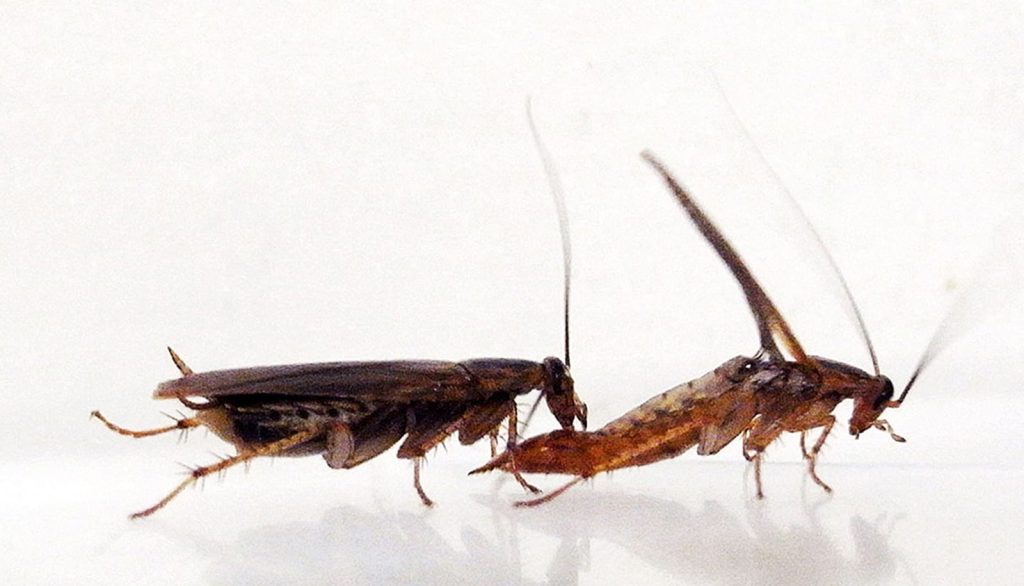
It sounds like a question you’d never expect to see on a medical website. But here’s the truth — thousands of people search this exact topic every single month. And that alone makes it worth addressing seriously, clearly, and without judgment.
So, can cockroaches live in your penis? The short answer is no. But the full answer is a lot more interesting than that. It involves real anatomy, insect biology, documented medical cases, and the psychology behind why this fear even exists in the first place.
This article breaks everything down in plain English. No fluff, no scare tactics, just facts. By the end, you’ll know exactly what the science says, what the real risks from cockroaches are, and what to do if you ever have a genuine health scare.
Why People Ask “Can Cockroaches Live in Your Penis” in the First Place
Before we get into the anatomy and biology, it’s worth understanding where this question comes from. People don’t just randomly wonder about this. There are actual psychological and cultural triggers that make this fear feel very real.
The Psychology Behind the Fear
Humans have a deeply wired fear of insects entering their bodies. It’s called entomophobia in its broader form, and it’s incredibly common. Combine that with the fact that cockroaches are nocturnal — meaning they’re most active when you’re asleep — and the anxiety becomes very easy to understand.
There’s something uniquely unsettling about the idea of a creature moving around while you can’t see it. Many people wake up at night, feel a sensation on or near their body, and immediately panic. Viral social media posts and exaggerated urban legends do the rest of the damage. Stories spread fast online, and by the time they’ve been shared ten thousand times, the line between fact and fiction completely disappears.
This fear is also tied to the vulnerability of sleep. When you’re unconscious, you feel like you have no control. The idea of an insect entering any orifice of your body during sleep — whether an ear, nostril, or otherwise — taps into one of our most primal anxieties. The question “can cockroaches live in your penis” comes from the same place of genuine worry, not absurdity.
What Doctors and Emergency Rooms Actually Record
Here’s what makes this topic medically relevant. Insects entering human body orifices is not fictional. There are documented ER cases of insects found inside ear canals. There are rare reported cases involving nasal cavities. These things happen.
But the urethra is a completely different scenario, both structurally and biologically. Medical literature, including studies indexed on platforms like PubMed and research cited in urological textbooks like Campbell-Walsh Urology, contains no verified case of a cockroach surviving inside or living inside the male urethra. That distinction matters enormously.
Basic Anatomy — Why the Urethra Is Not a Livable Space
To understand why the answer to “can cockroaches live in your penis” is a firm medical no, you first need to understand how the urethra actually works.
How the Male Urethra Works
The male urethra is a tube that runs from the bladder through the prostate and out through the penis. Its primary function is to carry urine out of the body. In adult males, the urethra is roughly 18 to 20 centimeters long. The opening at the tip — called the urethral meatus — has a diameter of approximately 4 to 6 millimeters under normal resting conditions.
That opening is not just sitting there wide open. It is kept closed by natural muscular tension. The urethral sphincters — both internal and external — actively work to keep the tract sealed. On top of that, the entire system is designed to expel things outward, not allow things inward.
What Any Living Organism Needs to Survive
Now think about what a living organism needs to survive. It needs oxygen. It needs food. It needs space. It needs a stable environment with a tolerable temperature and pH level.
The urethra provides almost none of these things. The inside of the urethra is a narrow, muscular passage. It is moist but not in a way that provides nutrition. The temperature is consistent at body temperature, which is roughly 37 degrees Celsius. The pH of urine is acidic, typically ranging between 4.5 and 8.0. This acidic environment is hostile to most organisms, including insects.
There is no oxygen supply inside the urethra. There is no food source. There is no room to move. Any creature entering this space would face immediate physiological shutdown.
Cockroach Biology Basics
Here is where the biology becomes decisive. The German cockroach, one of the most common household species, measures approximately 1.1 to 1.6 centimeters in length. The American cockroach is significantly larger, reaching up to 4 centimeters or more. Even the smallest adult cockroach is not built for tight, closed passages.
Cockroaches breathe through tiny openings along their bodies called spiracles. These are external respiratory ports. When a cockroach is in a confined, sealed space without airflow, its spiracles cannot function properly. Oxygen deprivation would begin almost immediately. A cockroach placed in a sealed environment with no oxygen exchange would lose function within minutes.
Cockroaches also require food. They are scavengers by nature — they eat organic waste, starchy materials, and decaying matter. The urethra has none of this. Even if a cockroach somehow entered, it would find nothing to sustain itself.
Can Cockroaches Live in Your Penis — What the Numbers Actually Show
Let’s talk about the physical reality of entry. This is where “can cockroaches live in your penis” stops being a fear-based question and becomes a straightforward exercise in comparing measurements.
The Size Problem
The urethral meatus — the external opening — is 4 to 6 millimeters in diameter at rest. The smallest cockroach nymphs, which are juvenile cockroaches in their earliest stages, can measure as small as 3 millimeters in length. But length and width are different things. A cockroach nymph, even at its smallest, has a body that is wider than a narrow urethral opening. The body shape of a cockroach is flat and oval — not cylindrical or worm-like. It is not built to slide through tight, cylindrical passages.
Compare this to an earthworm, which has a body specifically designed for narrow penetration of soil. A cockroach has legs, antennae, a rigid exoskeleton, and a body structure that actively resists compression into narrow spaces. The anatomy simply does not align.
What Would Actually Happen
Here is the medical reality. If any small organism somehow made contact with the urethral opening, the body would respond immediately. Pain signals would fire within milliseconds. The area would begin to inflame. Muscle contraction around the urethra would increase pressure. The immune system would begin its cascade response almost instantly.
This is not a passive system. The human body does not simply sit still while a foreign body interacts with it. The urethra is lined with mucous membranes that are rich in nerve endings. Any mechanical irritation triggers a sharp, immediate pain response. Any person would be instantly awakened, even from deep sleep, by the sensation of something making contact with that area.
Beyond the pain response, the urethra would constrict. Smooth muscle tissue would tighten. The natural pressure of the urinary tract would work against any foreign object attempting entry.
Has This Ever Been Medically Documented?
Here is the most important data point. A thorough review of urological case literature — including documented cases of urethral foreign bodies — reveals no verified, published medical case of a cockroach surviving inside the male urethra. Not one.
There are documented cases of urethral foreign bodies in medical literature. People have required urological attention for a range of reasons. There are extremely rare case reports of fly larvae — in the condition known as urogenital myiasis — being found in the urogenital area in tropical regions with limited sanitation. But this is a completely different organism, a completely different mechanism, and a completely different set of circumstances.
The honest medical verdict is clear. Can cockroaches live in your penis? The answer is no — not physiologically, not anatomically, and not according to any documented medical record.
Related Scenarios That Are Actually Real
Just because “can cockroaches live in your penis” has a firm no as its answer does not mean cockroach-related health concerns are pure fiction. There are legitimate, documented health risks associated with cockroach infestations that deserve your attention.
Insects in Other Body Orifices
Cockroaches in ear canals are a genuinely documented medical phenomenon. Emergency departments regularly treat patients — particularly in warmer climates — who have a cockroach or insect lodged inside their ear canal. The ear canal is wider, not sealed by muscular sphincters, and accessible during sleep when a person is lying still for hours. This is a real situation that requires real medical attention.
The treatment is usually irrigation with mineral oil or lidocaine to immobilize the insect, followed by careful extraction with medical instruments. It is not dangerous if treated promptly. But it is entirely different from any urethral scenario.
Urogenital Myiasis — The Closest Real-World Condition
Myiasis is the infestation of living tissue by fly larvae. In extremely rare cases — typically in tropical or subtropical regions with poor sanitation infrastructure — there are reports of urogenital myiasis. This involves fly larvae, not cockroaches, and occurs through a specific mechanism where flies deposit eggs near the urogenital area of individuals with limited access to hygiene.
This condition has nothing to do with cockroaches crawling into the urethra. It involves a completely different insect, a different biological mechanism, and a different set of epidemiological factors. It is worth mentioning only to clarify that while insect-related urogenital conditions do exist in rare, extreme circumstances, they bear no resemblance to the fear behind “can cockroaches live in your penis.”
What Cockroaches Actually Do to Your Health
This is the important part. The real health risks associated with cockroaches are not about internal infestation. They are external, allergenic, and bacterial.
Cockroach droppings, shed skin cells, saliva, and egg casings are known allergens. People who live in cockroach-infested environments have significantly higher rates of asthma attacks and allergic reactions. The World Health Organization recognizes cockroach allergens as a major indoor air quality concern.
Cockroaches also carry bacteria on their bodies and in their digestive systems — including Salmonella, E. coli, and Staphylococcus species. When cockroaches crawl across bedding, clothing, and surfaces near the genitals, they can leave bacterial contamination behind. This is a genuine hygiene concern that can cause skin irritation, localized infection, and allergic dermatitis in the groin area.
The risk from cockroaches is real. It’s just not the risk most people imagine when they ask whether can cockroaches live in your penis.
What To Do If You Have a Genuine Health Scare
Even with all the facts laid out, anxiety is a real thing. If you wake up with an unusual sensation in the genital or urethral area, here is what you should actually do.
Symptoms That Warrant Medical Attention
Seek medical care if you experience burning or sharp pain during urination, blood in your urine, visible discharge from the urethra, a sensation of a foreign object inside the urethra, or swelling and tenderness around the genital area. These symptoms may point to a urinary tract infection, urethritis, or another condition entirely — most of which are common, treatable, and have nothing to do with insects.
See your GP or a urologist. Do not ignore these symptoms.
What Not To Do
Do not attempt to self-examine or self-treat by inserting anything into the urethra. Do not try to flush the area with water or any fluid under pressure. Do not panic and make decisions based on fear. The anatomy of the urinary tract genuinely works against insect survival, and most unusual sensations have a very ordinary medical explanation.
How Doctors Handle Urethral Foreign Bodies
When a urethral foreign body is genuinely suspected, doctors use a procedure called cystoscopy. A thin, flexible camera is guided through the urethra to visualize the inside of the tract and bladder. If something is present, it can be retrieved using instruments attached to the scope. Irrigation techniques can also flush out debris or organisms from the urethral canal. These procedures are routine in urology and are performed under local anesthesia or light sedation. They are safe, effective, and the outcome is almost always straightforward.
Cockroach Prevention — The Real Solution to Real Anxiety
If the fear behind “can cockroaches live in your penis” is keeping you up at night, the most productive thing you can do is eliminate the cockroaches from your environment entirely. Here is how.
Why Cockroaches End Up Near Sleeping Areas
Cockroaches are drawn to warmth, moisture, and food. Bedrooms often have all three — especially if food is consumed in them or if there are moisture issues from air conditioning units, leaking pipes, or poor ventilation. Cockroaches are nocturnal, which means they are most active during the same hours you are asleep. This creates the perception that they are “coming for you,” when in reality they are simply navigating a warm, dark environment in search of resources.
Practical Steps to Keep Cockroaches Out
Start by eliminating food sources. Never leave food uncovered near sleeping areas. Fix any moisture leaks immediately — cockroaches need water and are strongly attracted to dripping pipes and humid environments. Seal gaps around pipes, baseboards, and electrical outlets using silicone caulk. Use weatherstripping on doors and windows. Place glue trap monitors near common entry points — under appliances, behind furniture, and along baseboards — to identify the severity of any infestation.
Non-toxic deterrents like diatomaceous earth applied along entry points can be effective. Boric acid baits, when placed carefully away from children and pets, are highly effective at reducing cockroach populations over several weeks.
When to Call a Professional Exterminator
If you are seeing cockroaches regularly — more than one or two — or finding droppings throughout your home, you likely have an established infestation. A professional pest control company can assess the extent of the problem and apply targeted treatments. Gel baits, insect growth regulators, and professional-grade residual sprays are far more effective than consumer products alone. Most reputable pest control companies offer follow-up inspections to confirm that the infestation has been resolved.
Addressing the Myths Directly
Viral Stories and How to Evaluate Them
If you read an online story claiming someone had a cockroach inside their urethra, the first thing to do is check the source. Many viral health horror stories originate from satire websites, clickbait blogs, or exaggerated ER anecdotes with no verifiable citation. Medical case reports, by contrast, are published in peer-reviewed journals with full documentation. No such report exists for a cockroach living inside the male urethra. When evaluating health claims, always ask: is this published in a medical journal? Can I trace it to a named physician or hospital? If not, treat it with skepticism.
Can Cockroaches Lay Eggs Inside the Human Body?
No. Cockroaches reproduce using egg cases called oothecae. These are hard, bean-shaped capsules that the female deposits in protected, external locations — inside wall cracks, behind furniture, or under appliances. Cockroaches do not lay eggs inside living tissue. Their biology does not support it, and no documented case supports the idea. This is categorically different from botfly, which is a parasitic fly that does use warm-blooded animal skin as a development site — but botfly is an entirely different species with an entirely different mechanism of reproduction and is not remotely comparable to cockroach biology.
Conclusion
Let’s bring it all together. Can cockroaches live in your penis? No — not according to anatomy, not according to biology, and not according to any medical literature on record. The urethra is a hostile, sealed, oxygen-free, nutritionally empty environment that no cockroach can enter, survive in, or reproduce inside. The body’s own pain response, immune function, and structural anatomy make it essentially impossible.
The real health concerns associated with cockroaches are genuine and worth taking seriously — allergens, bacterial contamination, and the hygiene risks that come with an active infestation in your living space. These are the areas where your energy should go. Address the infestation, protect your environment, and if you ever experience unusual urological symptoms, see a doctor promptly.
Understanding the facts behind “can cockroaches live in your penis” is not just about easing anxiety. It’s about replacing irrational fear with accurate information — so that you know exactly what to actually worry about and what you absolutely do not need to lose sleep over.
Q1. Can cockroaches live in your penis? No. The conditions inside the human urethra are entirely inhospitable for a cockroach. Factors like the acidic nature of urine, the body’s natural defenses, and the physical structure of the urethra ensure that it would be impossible for a cockroach to survive or even enter deliberately. Allo Health No peer-reviewed medical journal has ever documented a verified case.
Q2. Where did the “can cockroaches live in your penis” myth come from? This question originated from a meme that first circulated the internet in March 2022. It’s a screenshot where it looks like someone searched “can cockroaches live in your penis?” with a fabricated answer claiming it was “totally normal.” Green Matters The myth has been perpetuated over time despite the lack of any scientific evidence or documented medical cases supporting it.
Q3. Has a cockroach ever been medically removed from a human penis or urethra? There have been no recorded cases of cockroaches being extracted from human penises. Merlin Environmental Reputable databases such as PubMed and The Lancet contain zero peer-reviewed reports of cockroaches living within living human genitalia. St-aug The myth is entirely unsupported by documented medical evidence.
Q4. Why can’t a cockroach physically enter the urethra? The male urethra is only about 8mm in diameter, which is much smaller than the width of an average adult cockroach. Even newborn cockroaches (nymphs) are unlikely to fit into the tiny opening of the penis. Haha Puns Beyond the size barrier, the urethra is a muscular, sealed passage — not a passive open tube.
Q5. What would happen if a cockroach somehow entered the urethra? If a cockroach somehow crawled into the urethra, it would cause severe pain and irritation, a burning sensation and swelling, urinary blockage, and possible infection or sepsis. A foreign object in the urethra requires immediate medical intervention, often involving surgery or catheterization.
Q6. Can cockroaches survive inside any part of the human body? While cockroaches might enter the body through orifices, they cannot survive inside due to the human immune system which would attack and kill any intruder, digestive acids and enzymes which destroy foreign organisms, and lack of air and food, making survival impossible. Haha Puns The internal body is hostile to insect life on every level.
Q7. Do cockroaches enter human bodies through other orifices like ears or the nose? Yes — but only in rare circumstances. In 2017, a doctor removed a live cockroach from deep in the sinus cavity of a woman in Chennai, India. The real hotspot for creepy-crawlies is the ears, with numerous reports of cockroaches, spiders, moths, and even an assassin bug being removed from the ears of patients. BBC Science Focus Magazine These are accidental incidents, not deliberate cockroach behavior.
Q8. Why do cockroaches enter ears but not the urethra? The reason cockroaches may end up in a nose and ear is because they are looking for food — they want to eat your earwax or mucus. Holes leading into ears and noses are wide open and contain cockroach food. The penis hole, on the other hand, is not wide open, and the male urethra leads to no food for cockroaches.
Q9. Can cockroaches lay eggs inside the human body? No. Cockroaches are known to be resilient creatures that can survive in various environments, but the human body is not one of them. Cockroaches require a habitat with access to food and water, conditions that the human body, particularly the internal organs, cannot provide. Wyndly Cockroaches deposit egg cases called oothecae externally in sheltered locations — never inside living tissue.
Q10. Are cockroaches attracted to the human body while sleeping? Cockroaches are nocturnal creatures that are omnivorous scavengers primarily feeding on organic matter including food scraps, dead animals, and even hair or books. The human body does not provide a suitable habitat for cockroaches due to its constant movements, temperature, and unsuitable moisture levels. Wyndly They are attracted to your bedroom environment, not your body itself.
Q11. What is the name “cockroach” actually derived from? The viral meme suggested that the very name “cockroach” confirms of the penis-based habitat of the insect because in English, slang for penis is “cock.” However, this assertion is completely false. The word “cockroach” in fact comes from the Spanish word “cucaracha.” Merlin Environmental The etymology has nothing to do with human anatomy.
Q12. Can cockroaches crawl on your genitals even if they cannot enter the body? While cockroaches can’t live inside the penis, they can hide in pubic hair or clothing, especially in unsanitary conditions. Cockroaches are drawn to moist, warm areas with food sources and sometimes feed on dead skin cells and other organic debris. Haha Puns Maintaining hygiene and clean sleeping environments minimizes this risk significantly.
Q13. What do cockroaches actually do to human health? Cockroaches can contaminate open food by defecating on it, leaving behind hair and dead skin, and depositing empty egg shells in it. A study found that the bacterium Pseudomonas aeruginosa can multiply extensively in the gut of cockroaches and can cause urinary tract infections, digestive problems, and sepsis. TheHealthSite The health threat is external and allergenic — not internal infestation.
Q14. Can a cockroach crawl into your penis while you sleep and go unnoticed? No. Cockroaches cannot live inside of a penis, and there’s no credible evidence this has ever occurred. Giddy The urethra is dense with nerve endings, and any contact with the urethral opening would cause immediate, intense pain that would wake even a deep sleeper. The claim that it happens silently during sleep is medically implausible.
Q15. What insects CAN actually enter the human urethra? The fear likely stems from real but different medical phenomena — specifically cases involving small parasites like the candiru fish, which can invade the urethra in freshwater environments. However, this is incredibly rare and mostly happens in parts of the Amazon. Medmaxim Cockroaches are not among any documented urethral intruders.
Q16. How do doctors remove insects from body orifices? Most emergency departments are equipped to remove insects or foreign bodies safely using irrigation, suction, or tools like alligator forceps. Over-the-counter ear drops or attempts at self-removal are not recommended, as they can push the insect deeper or cause injury. TALK BRIT For urethral concerns specifically, a cystoscopy procedure allows direct visualization and safe removal.
Q17. Can cockroaches bite human genitals? Some species of cockroaches have been found to bite humans. These cases are rare, but if your home is heavily infested with these insects, they can nibble on fingernails, toes, and soft parts of the skin causing wounds. TheHealthSite Biting of genital skin is theoretically possible in extreme infestations but is exceedingly uncommon and requires direct skin contact during sleep, not internal entry.
Q18. What are the symptoms that warrant seeing a doctor after a cockroach encounter? The presence of a persistent genital lesion, especially on the head or shaft of the penis, should be promptly evaluated by a healthcare provider. Such lesions could be indicative of a sexually transmitted infection or even penile cancer. Failure to address these in a timely manner can result in the condition worsening. Giddy Any burning, discharge, blood in urine, or crawling sensation should be checked by a urologist promptly.
Q19. Why does health anxiety make people fear cockroaches entering the penis? The persistence of this myth reflects deeper psychological and cultural patterns. In times of uncertainty, audiences gravitate toward shocking narratives, especially those blending biology with horror. The penis, as a body part both intimate and symbolically charged, becomes a canvas for projected fears. St-aug Entomophobia combined with vulnerability during sleep is a powerful anxiety trigger.
Q20. What is the most effective way to prevent cockroaches from entering your sleeping area? Basic hygiene and situational awareness go a long way. Sleep in clean environments with no food near the bed, use bed nets or screens in areas with heavy insect activity, and avoid sleeping nude in cockroach-infested environments. Medmaxim Keep your house clean, ensure areas like the sink and food preparation area are cleaned before you go to sleep, empty the dustbin in your kitchen regularly, and always keep it covered. TheHealthSite For persistent infestations, professional pest control is the most reliable solution.

