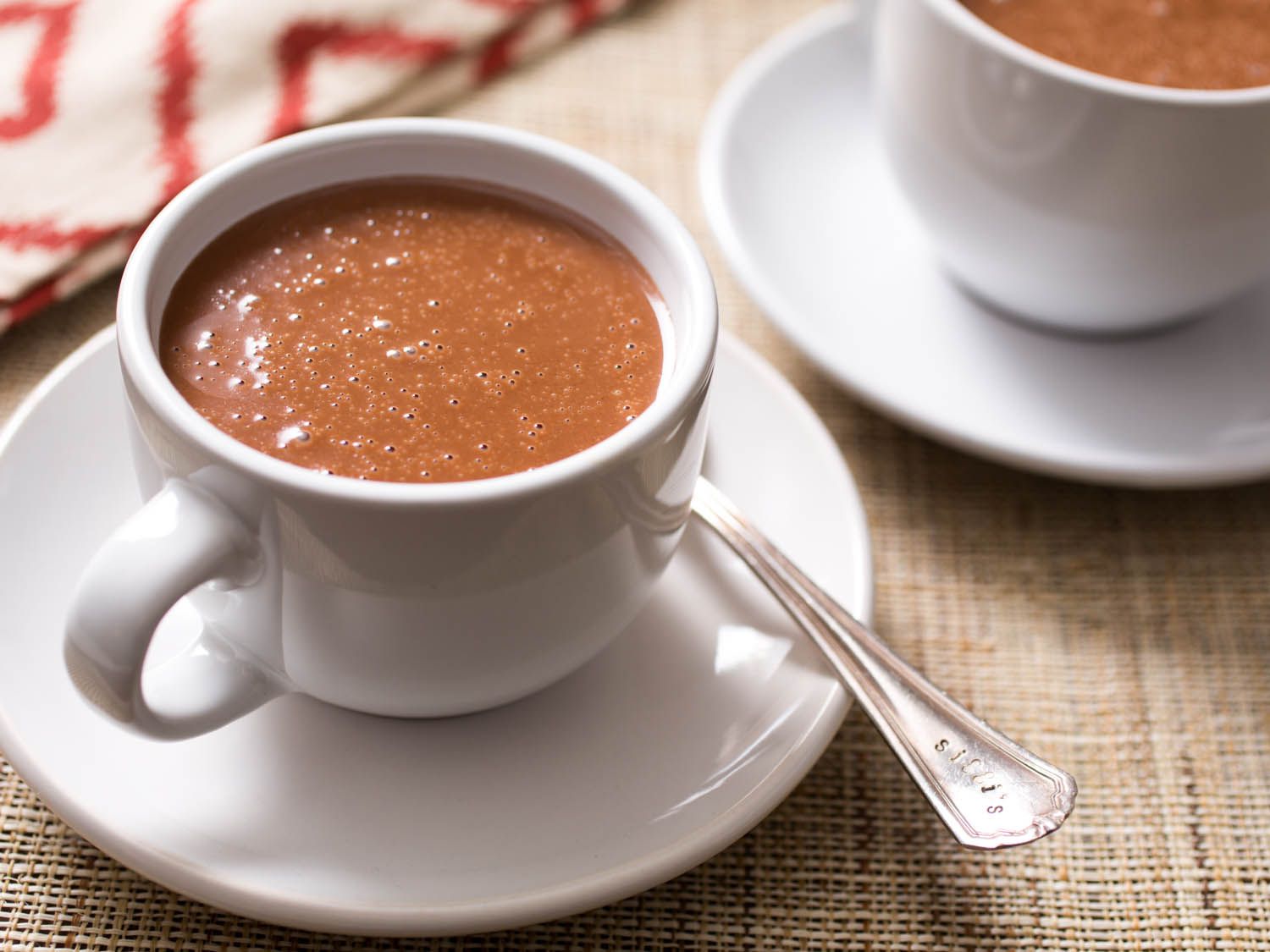
There is a moment — you know the one. You wrap both hands around a warm mug, breathe in the scent of cinnamon and dark chocolate, and feel something settle in your chest. That is what mexican hot chocolate does. It is not the thin, powdery drink from a foil packet. It is something older, richer, and far more personal than that.
Most people in the western world grew up with hot cocoa — sweet, mild, and entirely predictable. Mexican hot chocolate is a completely different creature. It carries warmth from cinnamon, a gentle kick from chili, and a depth of flavor that comes from chocolate barely touched by industrial processing. It is thick, frothy, and deeply satisfying in a way that commercial cocoa simply cannot replicate.
This article covers everything you need to know about this incredible drink. From its ancient origins to the best recipe you can make at home, through creative spiced variations and even a batch of cookies built around the same flavor profile — consider this your complete guide to one of the most underrated warm drinks in the world.
The Soul of Mexican Hot Chocolate
Before you can truly appreciate this drink, you need to understand what makes it stand apart from every other version of hot chocolate out there. The differences are not just about ingredients. They are about philosophy, tradition, and the way flavor is built from the ground up.
European-style hot chocolate is smooth, refined, and sweet. The American version is even lighter — often little more than chocolate-flavored milk. Mexican hot chocolate is none of those things. It is intentionally textured, warmly spiced, and complex in a way that takes your palate by surprise on the first sip and keeps you going back for more.
What Is Mexican Chocolate, Exactly?
To make hot chocolate with mexican chocolate, you need to start with the right ingredient. Mexican chocolate is not the same as regular dark or semisweet chocolate. It is produced in coarser tablet or disc form and comes pre-mixed with cinnamon, sugar, and sometimes ground almonds. The grind is rougher on purpose — that slightly grainy texture in the finished drink is not a mistake. It is tradition.
The two most widely available brands are Ibarra and Abuelita, both of which can be found at most grocery stores or Latin markets. They deliver that classic flavor combination of roasted cacao, warm cinnamon, and just enough sweetness to balance the bitterness of the chocolate. If you want to go deeper into the craft, look for single-origin tablets from Oaxaca, which has one of the richest cacao-growing traditions in the country.
The Defining Characteristics of the Drink
There are a few qualities that define authentic mexican hot chocolate and separate it from imitations:
- Cinnamon is non-negotiable. It is not a topping — it is built into the drink itself.
- Chili is optional but traditional. A pinch of ancho or cayenne adds warmth that lingers on the back of the tongue.
- The texture is slightly grainy and thick — not smooth like European drinking chocolate.
- Froth is essential. A molinillo (a carved wooden whisk) is the traditional tool, but a regular whisk works just as well.
- It can be made with water or milk. Water creates a more intense, purer cacao flavor. Milk makes it richer and creamier.
Understanding these qualities helps you make better choices when you cook. It also helps you appreciate why this drink has survived for thousands of years without needing to change very much at all.
From Ancient Cacao to Your Mug — The History Worth Knowing
The story of mexican hot chocolate does not start in a kitchen. It starts in a ceremonial hall, thousands of years ago, where the Maya and Aztec civilizations used cacao as a currency, a ritual offering, and a drink fit for royalty. The original preparation — called xocolātl — bore almost no resemblance to what we drink today. It was cold, bitter, mixed with water, corn, and spices, and consumed with great intention.
When Spanish colonizers arrived in the sixteenth century, they encountered this cacao drink and brought it back to Europe. The Europeans sweetened it and served it warm, and over time it evolved into what we now think of as hot chocolate. But back in Mexico, the drink never lost its edge. The spices stayed. The cacao stayed bold. The preparation stayed grounded in the hands of home cooks and market vendors who knew exactly what the drink was supposed to taste like.
Over generations, drinking chocolate became a morning ritual in Mexican households. It was made in clay pots, frothed with a molinillo passed down from grandmother to grandchild, and served alongside pan dulce or tamales. The drink carries memory in every sip — not just flavor, but culture, family, and belonging.
A close relative called champurrado emerged as a cold-weather staple. Thickened with masa harina (corn flour), it becomes more like a warm porridge than a drink. It is served every year during Día de los Muertos and Las Posadas, where families gather and share it around fire pits and decorated altars. That context — the drink as community ritual — is something no powder packet will ever be able to offer.
The Best Mexican Hot Chocolate Recipe for Home Cooks
The best mexican hot chocolate recipe you will ever taste is the one made by someone’s grandmother over a clay stove somewhere in Guadalajara or Oaxaca. Since most of us do not have access to that kitchen, here is the closest you can get at home without sacrificing any of the soul.
A note before you begin: resist the urge to rush. This drink rewards patience. Low heat, constant whisking, and a good chocolate make all the difference between something memorable and something forgettable.
What You Need — Ingredients
- 2 Mexican chocolate tablets (Ibarra or Abuelita) — or 3 oz of 70% dark chocolate + 1 tsp cinnamon + 2 tsp sugar
- 2 cups whole milk (or water for a more traditional result)
- ½ tsp Ceylon cinnamon (ground)
- Pinch of ancho chili powder or cayenne (optional but encouraged)
- ¼ tsp pure vanilla extract (optional)
- Pinch of salt
Step-by-Step Method
Pour the milk into a medium saucepan and warm it over low to medium-low heat. Never let it boil — you want it steaming, not bubbling. Scorched milk ruins the flavor and creates a skin that ruins the texture.
Once the milk is warm, add the broken chocolate tablet (or your dark chocolate mixture). Stir continuously with a whisk as the chocolate begins to melt. Do not walk away. The stirring is not just practical — it is where the flavor develops and the texture starts to come together.
Add the cinnamon, salt, and chili powder if you are using it. Keep stirring. After about five to seven minutes, the mixture should be fully combined and steaming with a deep, rich aroma filling your kitchen.
Now for the froth. If you have a molinillo, roll it between your palms while submerged in the hot chocolate to create that signature foam. If not, a regular wire whisk whisked vigorously works perfectly. Some people transfer it briefly to a blender, which gives an excellent result for serving a crowd.
Taste it. Adjust sweetness or spice. Pour into wide mugs — wide enough to let the steam escape gently. Serve immediately.
Tips That Make a Real Difference
- Ceylon cinnamon (true cinnamon) tastes noticeably better than the more common Cassia variety. If you can find it, use it.
- Whole milk creates the richest result. Oat milk is the best dairy-free substitute — it froths well and has a neutral flavor that does not fight the chocolate.
- Leftover hot chocolate reheats well on the stovetop over low heat. Whisk again to restore the froth.
- If the texture feels too thick, add a splash more milk and whisk. Too thin? Let it simmer a minute longer.
Mexican Hot Chocolate Recipes to Try This Season
Once you have mastered the classic version, the real fun begins. Mexican hot chocolate recipes are incredibly adaptable. The base flavor profile — cinnamon, chocolate, warmth — works beautifully across a range of preparations, from thick holiday drinks to chilled summer versions. Here are the most interesting ones worth exploring.
Champurrado — The Thick, Masa-Based Version
Champurrado is what happens when you add masa harina to the base recipe. The corn flour thickens the drink into something between a beverage and a porridge — deeply satisfying, warming to the bone, and completely unlike anything else. To make it, whisk a quarter cup of masa harina with cold water to form a smooth slurry before adding it to the hot chocolate base. Stir constantly and allow it to thicken over medium-low heat for about ten minutes. Serve in a clay mug or cazuela and eat it slowly with a spoon if needed.
This is the version traditionally served at Las Posadas and Día de los Muertos celebrations. It pairs beautifully with tamales — the slight earthiness of the corn in both dishes creates a harmony that feels ancient and right.
Oaxacan-Style Dark and Earthy
Oaxaca is the cacao heartland of Mexico. Chocolate produced there tends to be less sweet, more bitter, and more complex than the widely available commercial tablets. If you can source artisan Oaxacan chocolate discs from a Latin import shop or specialty online retailer, try making the classic recipe with water instead of milk. The result is a strikingly intense drink — almost like drinking a very smooth espresso, but rounder and spiced. Serve it in a small clay cup. Do not add whipped cream. Let it speak for itself.
Spiced Variations Worth Trying
For those who like to experiment, the base recipe opens the door to a number of excellent variations. A cold-brew mexican hot chocolate served over ice sounds counterintuitive but tastes extraordinary — especially in summer. Make a concentrated batch, chill it overnight, and pour it over ice with a splash of oat milk.
A spiked version with a shot of mezcal added at the end of preparation is deeply satisfying for adult entertaining — the smokiness of the mezcal finds unexpected harmony with cinnamon and dark chocolate. Kahlúa is a gentler option for those who prefer a coffee-chocolate warmth.
Vegan adaptations work beautifully when you swap whole milk for full-fat coconut milk and sweeten with agave instead of sugar. The result is rich, tropical-leaning, and entirely guilt-free.
Mexican Hot Chocolate Cookies — When the Drink Becomes a Dessert
If you love the flavor of mexican hot chocolate, you owe it to yourself to try translating it into a baked good. Mexican hot chocolate cookies have become increasingly popular over the past few years, and for good reason — they carry the same warmth, spice, and depth of flavor in a form you can eat with your hands.
The best version of these cookies borrows directly from the drink’s character: dark chocolate richness, a hit of cinnamon, and just enough cayenne to make your mouth tingle after the sweetness fades. They are soft and fudgy in the center with slightly crispy edges, rolled in a cinnamon-sugar coating that recalls the spiced finish of the drink itself.
What Goes Into Mexican Hot Chocolate Cookies
The ingredient list is simple but each component is doing important work. You will need cocoa powder or melted Mexican chocolate, all-purpose flour, butter, sugar, eggs, vanilla, baking soda, salt, ground cinnamon, and a measured pinch of cayenne. The cinnamon-sugar rolling mixture at the end is what really ties the cookie back to the drink — it creates a crinkled, sparkling exterior that is both beautiful and delicious.
The Recipe — Easy Enough for a Weeknight
Cream together one cup of softened butter with one and a half cups of granulated sugar until the mixture is light and pale. Beat in two eggs and one teaspoon of vanilla. In a separate bowl, whisk together two cups of flour, three-quarters cup of cocoa powder, one teaspoon of baking soda, one teaspoon of cinnamon, half a teaspoon of salt, and a quarter teaspoon of cayenne. Fold the dry ingredients into the wet mixture until just combined. Do not overmix.
Chill the dough for at least thirty minutes. This helps the flavors meld and keeps the cookies from spreading too thin during baking. When ready to bake, preheat your oven to 375°F (190°C). Roll the chilled dough into balls about one inch in diameter, then roll each ball generously in a mixture of two tablespoons of sugar and one teaspoon of cinnamon. Place on a lined baking sheet and bake for nine to eleven minutes — pull them out when the edges look set but the centers still look slightly underdone. They will firm up as they cool.
This recipe yields about thirty-six cookies and they keep well in an airtight container for up to a week. They also freeze beautifully, making them an excellent holiday gift option.
Variations on the Cookie
- Add a teaspoon of instant espresso powder to the dry ingredients for a mocha depth that works beautifully with the chocolate and spice.
- Press a few white chocolate chips into the top of each ball before baking — the contrast between sweet white chocolate and spicy dark dough is surprising and addictive.
- For a gluten-free version, substitute the all-purpose flour with a 1:1 gluten-free baking flour blend. The results are nearly identical in texture.
How to Serve It and What to Pair It With
The way you serve mexican hot chocolate matters more than most people realize. The vessel, the accompaniments, and even the time of day all affect how the experience lands.
Traditionally, the drink is served in wide clay mugs or cazuelas — earthenware cups that retain heat exceptionally well and give the drink a slightly mineral quality that adds to its complexity. If you do not have access to clay cups, any wide ceramic mug will do. Avoid thin glass — it cools the drink too fast and loses the froth.
Classic Pairings That Never Fail
- Pan dulce — the sweet Mexican bread is the obvious choice. Conchas are especially good for dipping. The soft, slightly sweet bread offsets the bitterness of the chocolate perfectly.
- Churros — the debate over whether to dip churros in mexican hot chocolate or drink it alongside them is ongoing. Do both.
- Tamales — a classic pairing at holiday gatherings. The corn masa of the tamale and the chocolate drink create a deeply satisfying contrast of savory and sweet.
- Polvorones (Mexican wedding cookies) — the buttery, crumbly cookies melt beautifully when sipped alongside the warm drink.
Serving for a Crowd
Making a big batch is straightforward — simply scale the recipe proportionally and use a large pot. Keep it warm on the lowest heat setting while guests serve themselves. Set out a station with toppings like a dusting of cinnamon, mini marshmallows, a bowl of chili powder for the adventurous, and whipped cream for those who prefer something gentler. A wooden molinillo displayed on the table is both functional and a beautiful conversation piece.
Finding the Right Ingredients Near You
One of the best things about making mexican hot chocolate at home is that the key ingredients are increasingly easy to find. You no longer need to live near a Latin market to source good Mexican chocolate.
Ibarra and Abuelita chocolate tablets are stocked in the Latin foods aisle of most major supermarkets. Whole Foods, Walmart, and Target all carry at least one of these brands. Latin grocery stores and bodegas stock a wider variety, often including regional Mexican brands that deliver a more complex flavor.
For the best cinnamon, look for Ceylon cinnamon specifically — it is sweeter, more delicate, and far more representative of what you find in Mexico than the harsh Cassia variety most grocery stores sell as generic cinnamon. Health food stores and specialty spice shops are your best bet for Ceylon cinnamon. It is worth seeking out.
If you want to go the artisan route, Taza Chocolate produces excellent stone-ground discs that are widely available online and at specialty food stores. Their chocolate is minimally processed and delivers an authentically grainy, complex result. For those who cannot access a Latin grocery in person, specialty food websites and marketplaces offer a wide range of imported Mexican chocolate tablets, dried chiles, and artisan cacao products.
Why Mexican Hot Chocolate Belongs in Your Kitchen Year-Round
There is a reason this drink has survived for thousands of years. It is warm in the most literal and figurative sense — warming to the body, warming to the spirit, and anchored in a culture that knows how to find joy in simple, beautiful things.
Mexican hot chocolate is not a trend. It is not a seasonal novelty. It is a living tradition, refined over centuries, that happens to be extraordinarily easy to make at home with a handful of quality ingredients and about fifteen minutes of your time. Once you make it properly — with the right chocolate, the right cinnamon, and the patience to whisk it slowly — you will understand why packets and powder feel like such an inadequate substitute. Start with the classic recipe. Make the champurrado if the weather gets serious. Try the cookies when you want to share the flavor with someone who deserves something special. And on an ordinary weeknight when you just need something warm in your hands, put a pot on the stove, break a chocolate tablet in half, and let the smell of cinnamon fill your kitchen. That is the whole point.
1. What exactly is mexican hot chocolate?
Mexican hot chocolate is a traditional warm beverage made from cacao, cinnamon, and sometimes chili, whisked into hot milk or water until frothy. Unlike the powdered hot cocoa common in the United States, it is made from coarsely ground chocolate tablets — called chocolate de mesa or ‘table chocolate’ — that contain real cacao paste, sugar, and spices. The result is a drink that is thicker, bolder, and more complex than any packet mix. It has been consumed in Mexico for over 4,000 years and remains a deeply cultural morning and holiday drink.
2. How is mexican hot chocolate different from regular hot chocolate?
The differences are significant. Regular hot cocoa — especially the American packet variety — is typically made from cocoa powder, sugar, and dried milk, resulting in a thin, sweet, mild drink. Mexican hot chocolate is made from coarser, less processed chocolate tablets that are pre-mixed with cinnamon and sugar. It is traditionally frothed using a molinillo (a carved wooden whisk), giving it a foam topping that hot cocoa lacks. The flavor profile is also deeper: earthy chocolate, warm cinnamon, and sometimes a subtle chili heat. Think of the difference between instant coffee and a slow-brewed pour-over — same category, completely different experience.
3. Where did mexican hot chocolate originate?
Mexican hot chocolate traces its roots back to ancient Mesoamerican civilizations — specifically the Maya and Aztec peoples — who consumed cacao as a cold, bitter, ceremonial drink called xocolātl, derived from the Nahuatl word meaning ‘bitter water.’ It was mixed with water, corn, vanilla, and spices and was often consumed during rituals and by royalty. When Spanish colonizers arrived in the sixteenth century, they brought cacao back to Europe, where sugar was added and it was served warm. Back in Mexico, the drink retained its spiced character and became the frothy, cinnamon-forward hot chocolate we recognize today.
4. What is mexican hot chocolate called in Mexico?
In Mexico, the drink is simply referred to as ‘chocolate caliente’ (hot chocolate) or ‘chocolate de mesa’ — which translates to ‘table chocolate,’ a reference to the tablet form in which the chocolate is sold. The term ‘mexican hot chocolate’ is primarily used in English-speaking countries to distinguish it from the American cocoa tradition. Depending on the region and preparation style, you might also encounter related drinks called champurrado (thickened with corn masa), atole de chocolate, or simply chocolate, as Mexicans generally do not need a qualifier to describe their own beverage.
5. Is mexican hot chocolate actually from Mexico?
Yes — cacao itself is native to Mesoamerica, the very region that includes modern-day Mexico, and the practice of drinking chocolate has existed there for over four millennia. While popular commercial brands like Abuelita are owned by Nestlé (a Swiss company) and may source cacao from Africa, the style of preparation — coarsely ground tablets with cinnamon, frothed in hot liquid — is authentically and historically Mexican. Truly authentic mexican hot chocolate should use chocolate made with Mexican cacao, though artisan brands like Mayordomo and La Soledad from Oaxaca are considered far more genuine than the mass-market options.
6. How do you make mexican hot chocolate from scratch?
The basic method is straightforward. Warm two cups of whole milk in a saucepan over medium-low heat — never let it boil. Add one or two broken tablets of Mexican chocolate (Ibarra or Abuelita work well) and whisk continuously as they dissolve. Add half a teaspoon of Ceylon cinnamon, a pinch of salt, and optionally a pinch of ancho chili powder for warmth. Once the chocolate is fully melted and the mixture is steaming, use a molinillo or a wire whisk to froth it vigorously for about thirty seconds. Pour immediately into wide mugs and serve. Total time: about fifteen minutes.
7. What is a molinillo and do you need one to make mexican hot chocolate?
A molinillo is a carved wooden whisk, traditionally handmade in Mexico, used to froth hot chocolate by rolling it rapidly between the palms while it is submerged in the hot liquid. The spinning motion whips air into the drink and creates the signature foam that sits on top of authentic mexican hot chocolate. You do not strictly need one — a regular wire whisk, a handheld milk frother, or even a blender works perfectly well as a substitute. The molinillo is part of the cultural experience and the ritual of making the drink, but the flavor outcome is nearly identical without it.
8. Should you make mexican hot chocolate with water or milk?
Both are traditional and both are correct — the choice comes down to what you want from the drink. Making it with water produces a more intense, purer cacao flavor that is closer to how it was originally consumed. The chocolate flavor is forward and bold without any dairy richness softening it. Milk — especially whole milk — creates a creamier, richer result that many people in Mexico prefer for everyday drinking. Some recipes use a combination of both. If you are making it for the first time, whole milk is the more forgiving and crowd-pleasing choice.
9. How do you froth mexican hot chocolate without a molinillo?
There are three effective alternatives to a molinillo. First, a standard wire whisk whisked vigorously in a circular motion for about forty-five seconds creates a good foam. Second, a handheld milk frother (the kind used for coffee) submerged in the hot chocolate for twenty to thirty seconds produces excellent, consistent froth. Third, carefully transfer the hot chocolate to a blender, blend on medium-high for twenty to thirty seconds (keeping the lid covered with a towel to prevent steam burns), then pour — this creates the most voluminous foam of all three methods. All produce a genuinely good result.
10. Can you make mexican hot chocolate ahead of time?
Yes, and it reheats very well. Make a full batch on the stovetop, allow it to cool to room temperature, and store it in a sealed container in the refrigerator for up to three days. When ready to serve, reheat it slowly over low heat in a saucepan, whisking frequently as it warms up — this restores both the texture and the froth. Do not microwave it without stirring partway through, as this can cause uneven heating. For a crowd, make a large batch and keep it warm in a slow cooker on the ‘warm’ setting, whisking every thirty minutes to maintain the foam.
11. What kind of chocolate is used in mexican hot chocolate?
Traditional mexican hot chocolate uses chocolate de mesa — solid tablets of coarsely ground cacao mixed with sugar and cinnamon. The two most widely available brands in the United States are Ibarra (manufactured in Jalisco, Mexico) and Abuelita (owned by Nestlé). Both are sold in disc form, often in a hexagonal box, and found in the Latin foods aisle of most supermarkets. For a more authentic and less processed result, look for artisanal brands from Oaxaca such as Mayordomo or La Soledad, or American artisan brands like Taza Chocolate, which stone-grinds its chocolate in the traditional style.
12. Can you substitute regular dark chocolate for Mexican chocolate tablets?
Yes, and the result is very close to the real thing with the right adjustments. For every tablet of Mexican chocolate called for in a recipe, use approximately three ounces of 70% dark chocolate and add one teaspoon of Ceylon cinnamon and two teaspoons of sugar. Some people also add a small pinch of ground almonds, which is an ingredient found in some traditional Mexican chocolate blends. The texture will be smoother since dark chocolate is more finely processed, but the flavor will be genuinely close. If you want more textural authenticity, you can slightly reduce the heat and let the mixture sit thicker before serving.
13. What is piloncillo and do you need it for mexican hot chocolate?
Piloncillo is unrefined whole cane sugar sold in cone or block form, common throughout Latin America. It has a deep, slightly molasses-like, caramel warmth that white granulated sugar cannot replicate. It is not strictly required in most Mexican hot chocolate recipes — the chocolate tablets come pre-sweetened with regular sugar. However, in more traditional or rustic recipes (particularly champurrado), piloncillo is the preferred sweetener because it adds an earthy depth that complements the cinnamon and chocolate beautifully. It can be found at Latin grocery stores, many large supermarkets, and online retailers. If unavailable, dark brown sugar is the closest substitute.
14. What dairy-free milk works best in mexican hot chocolate?
Of all the dairy-free alternatives, oat milk produces the best result for mexican hot chocolate. It has a neutral, slightly sweet flavor that does not compete with the chocolate and cinnamon, and it froths well — better than most other plant milks. Full-fat coconut milk is an excellent second choice; it adds a tropical creaminess that pairs especially well in spiced or holiday-style variations. Almond milk works but tends to produce a thinner drink with less body. Soy milk froths reasonably well but can have a beany undertone that some people notice. For the most authentic experience possible without dairy, oat milk is the clear winner.
15. How many calories are in mexican hot chocolate?
The calorie count varies considerably based on the recipe. A standard homemade cup made with whole milk and one Mexican chocolate tablet contains approximately 250 to 300 calories per serving, with around 37g of carbohydrates, 10g of protein, and 11g of fat. A version made with water instead of milk runs significantly lower — closer to 150 to 180 calories. Commercial preparations (like Abuelita instant packets prepared with milk) tend to fall in the 200 to 260 calorie range per cup. The drink is also a meaningful source of calcium (about 29% of your daily value when made with whole milk) and contains notable amounts of potassium and iron from the cacao.
16. Is mexican hot chocolate good for you?
When made with quality ingredients, mexican hot chocolate offers genuine nutritional benefits beyond what its sweet reputation might suggest. Real cacao is exceptionally rich in flavonols — a class of phytonutrients linked to improved cardiovascular function, reduced blood pressure, and better blood flow. Research has consistently found that cacao flavonols can positively affect endothelial function (the health of blood vessel walls). Cinnamon, another key ingredient, has documented anti-inflammatory properties and may support blood sugar regulation. The addition of chili from cayenne or ancho pepper provides capsaicin, a compound known to boost metabolism. The key is using a high-quality, less-processed chocolate with less added sugar — the artisanal brands are nutritionally superior to the commercial ones.
17. Does mexican hot chocolate contain caffeine?
Yes — but in moderate amounts. Cacao naturally contains caffeine and theobromine, a related stimulant compound. A typical cup of mexican hot chocolate made with a standard chocolate tablet contains roughly 25 to 35 milligrams of caffeine, which is considerably less than a shot of espresso (about 63mg) or a cup of drip coffee (about 95mg). Theobromine, while less stimulating than caffeine, provides a longer, gentler energy boost without the sharp spike-and-crash pattern. This makes mexican hot chocolate a reasonable morning beverage choice for those who are caffeine-sensitive but still want some gentle alertness from their warm drink.
18. What is the cultural significance of mexican hot chocolate?
Mexican hot chocolate carries deep cultural weight that far exceeds its status as a simple warm drink. For over four thousand years it has been intertwined with ritual, community, and identity across Mexico. The Aztec and Maya used cacao in ceremonies, as currency, and as offerings to gods. Today, the drink remains a central feature of major cultural celebrations including Día de los Muertos (Day of the Dead), where it is placed on altars (ofrendas) as an offering to deceased loved ones — the aromatic steam is thought to guide spirits back to their families. During Las Posadas (the nine-day Christmas celebration), champurrado and mexican hot chocolate are shared communally, representing warmth, generosity, and togetherness.
19. What is the difference between mexican hot chocolate and champurrado?
Both are beloved Mexican hot drinks made with chocolate de mesa, cinnamon, and milk, which is why they are frequently confused. The critical difference is one ingredient: masa harina. Champurrado adds corn flour (masa harina) to the base, which transforms the drink into a thick, porridge-like beverage that is genuinely filling. Because of this corn base, champurrado is technically classified as an atole (a category of corn-based hot Mexican drinks) while mexican hot chocolate is not. In terms of flavor, champurrado has a subtle earthiness from the corn that mexican hot chocolate lacks. Champurrado is also more closely associated with holiday celebrations, while mexican hot chocolate is enjoyed year-round.
20. What do you eat with mexican hot chocolate?
Traditional pairings have been refined over centuries of Mexican culinary culture. Pan dulce — the sweet Mexican bread sold at panaderías — is the most classic accompaniment. Conchas (shell-shaped sweet rolls), polvorones (crumbly butter cookies), and marranitos (gingerbread pigs) are all ideal for dipping or eating alongside the drink. Churros are a popular modern pairing, especially at street markets and cafes. Tamales are served alongside champurrado and mexican hot chocolate during holiday celebrations. For a non-traditional but excellent pairing, Mexican hot chocolate cookies — made with cocoa, cinnamon, and cayenne — bring the same flavor profile in edible form and pair beautifully with a mug of the drink itself.
21. Can you make mexican hot chocolate in a slow cooker for a crowd?
Yes, and it is one of the best ways to serve it at parties, holiday gatherings, or potlucks. Add all your ingredients — milk, broken chocolate tablets, cinnamon, and optional spices — to a slow cooker and set it to LOW for two to three hours, stirring every thirty to forty-five minutes to prevent the chocolate from settling on the bottom. Once fully combined and hot, switch to the WARM setting to maintain temperature through the event. Set out a station with toppings like ground cinnamon, mini marshmallows, and whipped cream and let guests serve themselves. Use a molinillo or a small frother to froth individual cups as they are poured if you want to maintain the traditional foam element.
22. What spices go into authentic mexican hot chocolate?
PAA Trigger: Ingredient List / Recipe Research
The core spice in every authentic version is cinnamon — specifically Ceylon cinnamon (true cinnamon), which has a sweeter, more delicate profile than the harsher Cassia variety sold in most grocery stores. Many traditional and regional recipes also include ancho chili powder or a small piece of dried ancho chile for a slow, building warmth. Some recipes incorporate a small amount of vanilla extract, which amplifies the sweetness of the cacao. Regional variations across Mexico may add cloves, a star anise pod, or a small amount of ground almonds. Black pepper appears in some Oaxacan versions. The rule of thumb is: cinnamon always, chili often, and everything else is a regional or personal preference.
23. Is Abuelita or Ibarra better for making mexican hot chocolate?
Both are widely available and produce a recognizably authentic result, but they differ subtly in flavor and formulation. Ibarra — manufactured in Jalisco, Mexico, by a Mexican company — is considered by many to have a slightly more genuine cacao character and a less processed taste. Abuelita is owned by Nestlé and contains additional ingredients including vegetable oil, soy lecithin, and artificial flavors that are not part of traditional Mexican chocolate. In side-by-side comparisons, Ibarra tends to win on flavor authenticity; Abuelita is slightly sweeter and has a smoother texture due to its additives. For the most authentic result, skip both and seek out artisanal Oaxacan brands — but between the two mass-market options, Ibarra is the stronger choice.
24. Can you add alcohol to mexican hot chocolate?
PAA Trigger: Entertainment / Adult Variation Yes, and several combinations work beautifully. The most culturally fitting option is a shot of mezcal added just before serving — its smoky, earthy quality finds a natural harmony with dark chocolate and cinnamon. Kahlúa (a coffee-flavored liqueur that originated in Veracruz, Mexico) is another excellent choice, adding a deep coffee warmth that intensifies the chocolate without overpowering the spices. Rum works well in sweeter, coconut milk-based variations. Tequila blanco is a lighter option for those who want the spirit to stay in the background. Always add the alcohol after the hot chocolate is fully prepared and off the heat — this preserves the aroma of the liquor and prevents any bitterness from cooking the alcohol.