
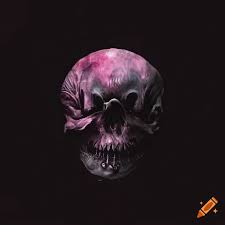
Fashion has always borrowed its power from rebellion. Punk gave us ripped safety pins. Grunge handed us flannel and apathy. And now, a new wave of dark, brooding style has taken over streetwear, social media, and even the high fashion runway. The opium aesthetic is not just a clothing trend. It is a full-blown cultural movement that fuses dystopian streetwear, avant-garde design, and underground music into one unmistakable identity.
Before we go further, let us clear something up right away. The name has nothing to do with the substance. It comes directly from Playboi Carti’s record label, Opium, which he launched in 2019. What started as a platform for experimental rap quickly grew into something much bigger. The music demanded a visual language, and that visual language turned into a fashion revolution. Dark palettes. Oversized silhouettes. Gothic jewelry. Industrial textures. Within a few short years, this niche underground look exploded across TikTok, Instagram, and eventually into mainstream retail.
What makes this movement different from past trends is its origin story. It was not designed by a marketing team at a luxury brand. It was not born on a Paris runway. It grew organically from artists, fans, and creatives who wanted to express something raw and unfiltered. That authenticity is the heartbeat of the entire movement and the reason millions of people around the world are drawn to it. This guide covers everything you need to know, from the defining elements and the cultural roots to practical styling advice and the future direction of the trend heading into 2026 and beyond.
What Is the Opium Aesthetic?
At its core, this style is a fusion of gothic undertones, punk rebellion, and dystopian streetwear. It pulls from multiple subcultures without belonging entirely to any single one. Think of it less as a strict dress code and more as an attitude, a mood, and a way of presenting yourself to the world.
The defining visual feature is an almost exclusive commitment to black. Not just black shirts and black pants, but black as a complete philosophy. Monochromatic head-to-toe looks are the standard, occasionally broken by dark grey, silver hardware, or deep red accents. The fabrics lean toward industrial textures like waxed leather, distressed denim, mesh panels, and heavyweight cotton with deliberate wear marks. Nothing about this look is supposed to feel polished or precious. It is meant to feel lived-in, intense, and slightly otherworldly.
Silhouette is where things get really interesting. The opium aesthetic plays with extreme proportions in a way that most fashion trends do not. You will see form-fitting compression tops paired with massively oversized outerwear. Cropped mesh tanks sit underneath draped leather jackets with exaggerated shoulders. On the bottom half, super-flared jeans and wide-leg cargo pants dominate, creating a heavy, grounded base that contrasts with the tighter upper layers. This push and pull between maximum and minimum volume is one of the most recognizable signatures of the style.
Accessories play an equally important role. Silver cross pendants, heavy chain necklaces, stacked gothic rings, and futuristic oversized sunglasses are all staples. On the graphic and visual side, the movement draws from black metal typography, anarchy symbols, infrared photography, and the now-iconic “00” branding associated with the Opium label. Social media content tied to the look often uses high-flash night photography or heavily distorted “deep-fried” editing to create a disorienting, almost hallucinatory atmosphere.
The Origins — How Playboi Carti Built a Fashion Movement
To understand where this style came from, you have to understand the music first. Playboi Carti founded the Opium record label in 2019. He signed a small roster of artists who shared his vision, including Destroy Lonely, Ken Carson, and the duo Homixide Gang. Together, they developed a sound known as “rage,” a subgenre of trap music built on distorted synthesizers, frenetic beats, and erratic vocal performances that feel closer to punk rock than traditional hip-hop.
The music itself was aggressive, dark, and experimental. It naturally demanded a visual identity to match. Stylist Burberry Erry, who had also worked on Balenciaga campaigns, became instrumental in shaping Carti’s public image and the wider collective’s look. South Korean producer and creative Artdealer also played a crucial role by introducing elements of East Asian fashion and avant-garde design into the mix. The result was a style that blended heavy metal imagery, vampiric motifs, anime references, and the deconstructed silhouettes of designers like Rick Owens into something entirely new.
But it was not Carti himself who turned this niche sound and style into a global phenomenon. That moment belonged to Destroy Lonely. In 2022, his track “If Looks Could Kill” leaked online and went massively viral on TikTok. Fans began filming themselves wearing head-to-toe dark outfits inspired by the collective, styling themselves in oversized jackets, platform boots, and gothic accessories. These videos spread rapidly, and what had been a small Atlanta-based subculture suddenly became a worldwide microtrend. Carti’s 2020 album Whole Lotta Red had laid the groundwork by establishing the “vamp” persona and dark visual direction, but it was the TikTok explosion of 2022 that brought the opium aesthetic into the vocabulary of mainstream fashion.
Why This Dark Style Resonates with Gen Z
Every generation gravitates toward the fashion that speaks to its emotional state. For Gen Z, the appeal of this movement makes a lot of sense when you look at what came before it. Throughout the mid-to-late 2010s, streetwear was dominated by the hypebeast era. Bright colors, bold logos, Supreme box logos, and the flashy designer collaborations promoted by collectives like ASAP Mob and Odd Future defined how young people dressed. Everything was loud, colorful, and designed to be noticed in a very specific way.
By the early 2020s, that wave had run its course. The oversaturation of color-heavy, logo-driven fashion left a large portion of younger consumers craving something with more edge, more emotional weight, and less corporate polish. The dark, brooding energy of the Opium collective offered exactly that. It felt raw, mysterious, and deliberately anti-mainstream. In a fashion landscape that had become predictable, choosing to dress in all black with deconstructed silhouettes and gothic silver jewelry was a powerful way to stand apart.
But the appeal goes deeper than just looking different. Participating in this movement creates a genuine sense of community. The fanbase around the Opium label and its artists operates almost like a tight-knit subculture with its own language, memes, visual codes, and unwritten style rules. In a digital world where trend cycles move at blinding speed and most styles feel disposable within weeks, being part of something with real cultural roots and a devoted following feels meaningful. Social media platforms, especially TikTok and Instagram, turned what started as a local Atlanta rap scene into a global style tribe where fans from Seoul to São Paulo reinterpret and share the look daily.
Opium Aesthetic vs. Gothic, Emo, and Techwear — What Sets It Apart
One of the most common misunderstandings about this style is that it is just another version of goth or emo fashion. On the surface, the similarities seem obvious. All three love the color black. All three lean toward a darker emotional palette. But the differences are significant, and understanding them is key to appreciating what makes this movement its own thing.
Gothic fashion is theatrical and romantic. It relies heavily on lace, velvet, corsets, ornate details, and a sense of dark Victorian elegance. There is a richness and decorative quality to goth that the opium aesthetic deliberately avoids. Where goth is emotional and ornamental, this newer style is cold, industrial, and stripped back. Clean lines replace lace trim. Waxed leather replaces velvet. The mood shifts from romantic melancholy to dystopian detachment.
Emo fashion, on the other hand, favors skinny fits, colorful accents like neon streaks and band patches, and heavy layering of accessories like studded belts and wristbands. The overall silhouette is tight and compact. The opium look goes in the opposite direction with oversized, deconstructed pieces that create a non-human, almost sculptural shape. It is minimalist in its color palette but maximalist in its proportions. Both emo and this style share roots in punk energy, but the execution is worlds apart.
What is especially fascinating is how this movement has influenced other trends rather than simply existing alongside them. Techwear, which was already a dark and functional style, took on more mystical and gothic overtones under its influence. Y2K fashion, which had been trending toward shiny metallics and playful futurism, absorbed darker elements directly from the movement. Even mainstream streetwear brands quietly started integrating all-black palettes, oversized cuts, and heavy silver accessories into their seasonal collections. The ripple effect has been enormous, and it shows no signs of fading.
How to Build an Opium Aesthetic Wardrobe
If the style speaks to you and you want to start building a wardrobe around it, the good news is that you do not need a designer budget to pull it off. The real foundation is attitude, proportion, and a commitment to the dark palette. Labels matter far less than most people think.
Essential Clothing Pieces. Start with a solid all-black base. Oversized hoodies, heavyweight graphic tees with distressed or washed finishes, and layered long-sleeve mesh or compression shirts form the core of most looks. For outerwear, a leather jacket is the single most important investment piece. Padded bombers, draped overcoats, and oversized blazers in dark tones also work well. On the bottom, wide-leg cargo pants are the go-to choice, followed by super-flared jeans and waxed trousers. For footwear, chunky platform boots are the gold standard. Rick Owens collaborations with Dr. Martens sit at the top of the wish list for most fans, but any heavy-soled combat boot in black will do the job.
Accessories That Complete the Look. The right accessories can turn a simple black outfit into something that genuinely reads as part of this movement. Silver cross pendants are probably the single most iconic accessory. Heavy chain necklaces, stacked gothic rings on multiple fingers, and oversized or futuristic sunglasses all play a major role. Dark leather belts with industrial hardware, wristbands, and even fingerless gloves add extra texture and edge when layered thoughtfully.
Brands That Define the Movement. At the high end, Rick Owens is the unofficial godfather of the entire look. Balenciaga, Chrome Hearts, Maison Margiela, Vetements, Fear of God, and Raf Simons are all frequently worn by Carti and his circle. Among emerging labels, Heliot Emil, Anonymous Club, and No Faith Studios have carved out strong reputations within the community. But here is the thing that many beginners overlook. You do not need to spend thousands of dollars to participate authentically. Brands like Bershka and House carry affordable pieces that capture the mood, and secondhand platforms are full of quality dark fashion finds at a fraction of the original price. The opium aesthetic was built on self-expression, not price tags. Smart thrifting and mixing high and low pieces is not just acceptable, it is encouraged.
Beyond Fashion — Music, Art, and Digital Culture
What separates this from a typical fashion trend is the depth of the ecosystem surrounding it. The clothing is only one layer. Beneath it sits an entire world of music, visual art, graphic design, and digital culture that feeds the style and gives it meaning.
The Sound Behind the Style. Musically, the movement is anchored by “rage” production. This means sawtooth synthesizers, distorted 808 bass, and a deliberate lack of melodic progression that creates a hypnotic, aggressive wall of sound. Producers like F1lthy from the Working on Dying collective defined this sonic blueprint. Vocally, artists within the Opium collective treat the voice as an instrument rather than a vehicle for lyrics. Baby voices, deep guttural frying, and erratic screaming are all common techniques. The overall effect is chaotic, intense, and deeply atmospheric, perfectly mirroring the visual darkness of the fashion.
Visual Language and Online Identity. The graphic design associated with this movement borrows heavily from black metal logos, occultism, and German Expressionist cinema. Think jagged, nearly illegible typography, inverted crosses used as decorative motifs, and photography that uses thermal imaging, infrared filters, or extreme flash to create unsettling, dreamlike imagery. Memes and fan-created content have become just as important as official releases in keeping the culture alive and evolving. The community itself is constantly generating new visual material, which keeps the style feeling fresh and participatory rather than top-down.
Criticisms and Controversies Worth Knowing About
No cultural movement exists without pushback, and this one is no exception. There are a few legitimate criticisms that anyone interested in the style should be aware of.
The most common complaint is the cost barrier. Despite the movement’s punk roots and anti-establishment attitude, the actual clothing associated with it often carries a steep price tag. A single Rick Owens jacket can cost several thousand dollars, and Chrome Hearts accessories are notoriously expensive. Critics argue that this has turned the style into a rigid uniform where people simply purchase the same expensive designer pieces to fit in, effectively removing the do-it-yourself ethos that actual punk was built on. This is a fair point, though it is worth noting that budget-friendly alternatives exist and many within the community actively promote affordable styling.
Religious imagery is another flash point. The heavy use of inverted crosses, pentagrams, and occult symbols draws regular criticism from conservative audiences. Fans and artists within the movement generally frame this as borrowed shock value from 1980s heavy metal culture rather than any genuine ideological statement, but the debate continues.
Finally, there is the conformity paradox. A style that was born from a desire to stand out and reject mainstream fashion has, in some circles, become its own kind of conformity. When everyone in a subculture is wearing the same all-black, oversized Rick Owens outfit, the rebellious edge can feel somewhat dulled. This tension between individuality and community uniformity is something the movement will likely continue to grapple with as it grows.
Is the Opium Aesthetic Here to Stay?
Fashion history gives us a clear answer on this one. Aesthetics that are rooted in authentic subcultures do not simply vanish. Goth has been around since the late 1970s. Punk never truly died. Grunge cycles back into mainstream fashion every decade or so. Movements with genuine cultural DNA tend to evolve and reinvent themselves rather than disappear.
The opium aesthetic has already begun this process of branching and evolution. Ken Carson’s “Goreweb” visual identity, sometimes called Chaoscore, represents one distinct offshoot that takes the darker elements of the original style even further. Other artists and communities within the broader scene are experimenting with gender-neutral sizing, sustainable production methods, and even subtle technology integration, like clothing with LED elements or temperature-regulating fabrics, that push the look into new territory.
Heading into 2026, the signs suggest that the movement is maturing rather than fading. It has influenced mainstream brands, inspired emerging designers, and built a global community that continues to grow. As long as there is a generation of young people looking for self-expression that exists outside the mainstream, dark fashion will have an audience. And this particular strain of it, with its roots in authentic music culture and its distinctive visual language, has earned a more permanent place in the conversation than most microtrends ever achieve.
Conclusion
What started in the dark corners of Atlanta’s experimental rap scene has become one of the most significant style movements of the 2020s. The opium aesthetic is not just a wardrobe choice. It is a full cultural ecosystem that spans music, digital art, graphic design, online community, and personal identity. Its power comes from the fact that it was never manufactured by a fashion house or pushed by a marketing campaign. It grew from the genuine creative expression of a small group of artists and their devoted fanbase, and that authenticity is what continues to draw people in.
Whether you choose to go all-in with a complete head-to-toe dark look or simply borrow a few elements, like a statement leather jacket, silver cross pendant, or a commitment to the all-black palette, the core idea remains the same. This is about expressing a darker, more deliberate version of yourself in a world that often rewards conformity. Start with one piece. Experiment with proportion. Let the look evolve naturally. The best part of this movement has always been that it rewards individuality over imitation, even within its own community.
1. What is the opium aesthetic? The opium aesthetic is a dark fashion and cultural movement that originated from Playboi Carti’s record label, Opium, founded in 2019. It combines gothic undertones, punk rebellion, and dystopian streetwear into a monochromatic, silhouette-driven style defined by all-black outfits, oversized proportions, industrial textures, and silver accessories.
2. Does the opium aesthetic have anything to do with drugs? No. The name comes entirely from Playboi Carti’s music label. It has no connection to the substance itself. The movement is rooted in dark fashion, avant-garde music, and artistic self-expression, not drug culture or drug promotion.
3. Who started the opium aesthetic? The style traces back to Playboi Carti and the creative collective around his Opium label, including artists like Destroy Lonely, Ken Carson, and the Homixide Gang duo. Stylist Burberry Erry and producer Artdealer also played major roles in shaping the visual identity of the movement.
4. What is the difference between the opium aesthetic and goth fashion? Gothic fashion leans on lace, velvet, corsets, and romantic theatrics rooted in Victorian-era imagery. The opium aesthetic is colder, more minimalist, and industrial. It favors clean lines, waxed leather, deconstructed silhouettes, and a futuristic, dystopian mood rather than romantic darkness.
5. Is the opium aesthetic the same as emo? No. Emo fashion typically features skinny fits, colorful accents, band patches, and accessory-heavy layering. The opium aesthetic goes in the opposite direction with oversized, minimalist pieces in a strictly dark palette. Both share punk-inspired roots, but the execution and silhouette are very different.
6. What colors are used in the opium aesthetic? Black dominates almost every outfit. Occasional accents include dark grey, deep burgundy, navy blue, dark green, and silver hardware. The palette is intentionally monochromatic and moody, with metallic details from jewelry and accessories providing subtle contrast.
7. What are the key clothing pieces in the opium aesthetic? The core wardrobe includes oversized hoodies, distressed graphic tees, mesh or compression tops, leather jackets, padded bombers, wide-leg cargo pants, super-flared jeans, waxed trousers, and chunky platform boots. Layering different textures and playing with extreme proportions is essential to the look.
8. What accessories define the opium aesthetic? Silver cross pendants, heavy chain necklaces, stacked gothic rings, futuristic or oversized sunglasses, dark leather belts with industrial hardware, and fingerless gloves are the most common accessories. Jewelry is almost always silver-toned rather than gold.
9. What brands are associated with the opium aesthetic? Rick Owens is considered the unofficial godfather of the look. Other key brands include Balenciaga, Chrome Hearts, Maison Margiela, Vetements, Fear of God, and Raf Simons. Emerging labels like Heliot Emil, Anonymous Club, No Faith Studios, and Personsoul also cater to this style.
10. Can I dress in the opium aesthetic on a budget? Absolutely. While high-end brands are popular within the community, affordable alternatives exist. Brands like Bershka and House carry dark, edgy pieces at lower price points. Thrift stores, secondhand platforms, and DIY alterations are all widely used within the community. The real foundation is proportion, attitude, and a dark color palette, not expensive labels.
11. Is the opium aesthetic only for men? Not at all. The style is fundamentally gender-neutral. Its emphasis on oversized, functional silhouettes and deconstructed design works across all body types and gender identities. Women actively participate in the movement, and unisex sizing has become increasingly standard among brands catering to this community.
12. How did the opium aesthetic go viral? The major viral moment came in 2022 when Destroy Lonely’s leaked track “If Looks Could Kill” exploded on TikTok. Fans began filming outfit videos styled in the dark, oversized look, and the content spread rapidly. Playboi Carti’s 2020 album Whole Lotta Red had laid the groundwork, but TikTok turned the niche into a global movement.
13. Can you wear the opium aesthetic to work or school? Yes, with some adjustments. The trick is to keep the signature dark palette and slightly oversized silhouettes while upgrading the materials. A well-tailored black blazer with structured wide-leg pants and minimal silver accessories creates a professional-appropriate look that still carries the DNA of the style without being too extreme for formal settings.
14. What kind of music is connected to the opium aesthetic? The movement is tied to “rage” music, a subgenre of trap characterized by distorted synthesizers, heavy 808 bass, and erratic vocal performances. Artists like Playboi Carti, Destroy Lonely, Ken Carson, and producers like F1lthy from Working on Dying define this sound. It feels closer to punk rock energy than traditional hip-hop.
15. What shoes go best with the opium aesthetic? Chunky platform boots are the gold standard, especially Rick Owens designs and Rick Owens x Dr. Martens collaborations. Heavy-soled combat boots, black leather boots with exaggerated soles, and high-top sneakers in all black also work well. The footwear should feel heavy, grounded, and slightly aggressive.
16. What is Opiumcore? Opiumcore is a term used on social media platforms, especially TikTok, to categorize content related to the opium aesthetic. It refers to the same dark, avant-garde fashion and lifestyle movement but is used more casually as a hashtag and trend label. Sub-styles like Ken Carson’s “Goreweb” or “Chaoscore” have also branched off from the original movement.
17. How does the opium aesthetic differ from techwear? Techwear focuses on functional, performance-driven clothing with waterproof fabrics, utility pockets, and ergonomic design. The opium aesthetic shares the dark color palette but is more about artistic expression, extreme silhouettes, and gothic symbolism than technical performance. However, the two styles have increasingly influenced each other, with techwear absorbing more mystical and gothic elements.
18. Can you wear the opium aesthetic in summer? Yes. While the style leans toward heavier fabrics like leather and layered pieces, summer-friendly adaptations include mesh tops, lightweight compression shirts, dark linen pants, cargo shorts, and breathable tank tops in black. The key is maintaining the dark palette and proportion play even when dressing for warmer weather.
19. Why is Rick Owens so important to the opium aesthetic? Rick Owens has been creating dark, avant-garde, silhouette-driven fashion for decades. His designs, which feature extreme proportions, draped leather, and gothic elegance, became the stylistic blueprint for the opium aesthetic before the movement even had a name. His pieces are among the most frequently worn and referenced within the Opium label’s circle.
20. Is the opium aesthetic just a passing trend? Fashion history suggests otherwise. Aesthetics rooted in genuine subcultures, such as punk, goth, and grunge, tend to evolve rather than disappear completely. The opium aesthetic has already spawned sub-styles and influenced mainstream fashion brands, which indicates it has deeper cultural staying power than a typical microtrend.
21. What hairstyles match the opium aesthetic? There are no strict rules, but common choices include bleached or platinum blonde hair, jet black hair, braids, buzz cuts, or long and unkempt styles. The overall approach is either strikingly minimal or deliberately dramatic. Many fans also wear beanies, balaclavas, or avant-garde headwear instead of focusing on a specific hairstyle.
22. Can you mix the opium aesthetic with other styles? Yes. The opium aesthetic blends well with elements of techwear, Y2K fashion, grunge, and even minimalist streetwear. Many people start by incorporating one or two signature elements, like a leather jacket, silver cross pendant, or platform boots, into their existing wardrobe rather than committing to the full look from the start.
23. What is the “Vamp” persona in the opium aesthetic? The Vamp persona was introduced by Playboi Carti around 2020 during his Whole Lotta Red era. It refers to a vampiric, dark, and theatrically aggressive character archetype that blends leather pants, mesh tops, erratic stage behavior, and satanic imagery. The Vamp concept became the foundation for the broader visual language of the opium aesthetic.
24. How much does a full opium aesthetic outfit cost? The range varies enormously depending on whether you go high-end or budget. A full designer outfit featuring Rick Owens, Chrome Hearts, and Balenciaga can easily cost several thousand dollars. However, a solid entry-level outfit using affordable brands and secondhand finds can be put together for around two hundred to three hundred dollars, including basics, one statement outerwear piece, and a few accessories.

